William James
William James was an American philosopher and psychologist, and the first educator to offer a psychology course in the United States. He is considered one of the leading thinkers of the late 19th century and is often referred to as the 'Father of American psychology'.
Books
This list of books are ONLY the books that have been ranked on the lists that are aggregated on this site. This is not a comprehensive list of all books by this author.
-
1. The Varieties of Religious Experience
A Study in Human Nature
This book is an exploration of the diverse range of religious experiences, from the mainstream to the mystical. The author applies a psychological and philosophical approach, examining the individual, personal experiences of spirituality rather than organized religion. The book covers topics such as conversion, saintliness, and mysticism, and argues that religious experiences, rather than religious institutions, should be the primary focus of religious study.
The 646th Greatest Book of All TimePurchase from Bookshop.org or Amazon -
2. The Principles of Psychology
This comprehensive work delves into the complex subject of psychology and its fundamental principles. The author explores a wide range of topics including the functions of the brain, habits, the stream of consciousness, the self, attention, memory, and emotions. He combines philosophy and psychology to present a detailed analysis of human behavior and thought processes. The book is considered a classic in the field of psychology and continues to influence modern psychological theory.
The 1342nd Greatest Book of All TimePurchase from Bookshop.org or Amazon -
3. Pragmatism
A New Name for Some Old Ways of Thinking
The book in question is a seminal work in the philosophical tradition of pragmatism, which argues that the truth of ideas is measured not by their correspondence to an objective reality, but by their practical effects and utility. The author challenges the notion of fixed, absolute truths, proposing instead that beliefs should be seen as tools for action and that their validity depends on their success in solving problems and guiding experiences. Through a series of lectures, the text explores the implications of this philosophy for various fields, including religion, metaphysics, and science, ultimately advocating for a more flexible, open-ended approach to thinking and a tolerance for diverse perspectives in the pursuit of knowledge and understanding.
The 1721st Greatest Book of All TimePurchase from Bookshop.org or Amazon -
4. The Meaning of Truth
A Sequel to 'Pragmatism
"The Meaning of Truth" is a philosophical exploration of the concept of truth and its relation to the human experience. The author argues that truth is not an objective, static entity, but rather a fluid and subjective concept that changes based on individual perception and experience. He challenges traditional philosophical views on truth, asserting that truth is not discovered, but created by each individual. The book also delves into the author's own philosophy of pragmatism, which emphasizes the practical application of ideas by acting on them to actually test them in human experiences.
The 9862nd Greatest Book of All TimePurchase from Bookshop.org or Amazon -
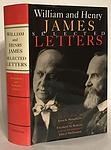
5. The Selected Letters Of William James
William James: Selected Letters
"The Selected Letters of William James" offers an intimate glimpse into the thoughts and personal life of one of America's most influential philosophers and psychologists. This collection showcases a wide range of correspondence from James, revealing his reflections on psychological theory, philosophy, religion, and academia, as well as his interactions with other intellectual giants of his time. Through these letters, readers gain a deeper understanding of James's personality, his private doubts, his warm relationships, and the developmental arc of his intellectual pursuits that shaped his contributions to psychology and philosophy.
The 15923rd Greatest Book of All TimePurchase from Amazon -
6. Psychology: Briefer Course

This concise textbook presents psychology as a practical, empirical study of mental life and behavior, emphasizing the stream of consciousness, the role of attention, the formation of habits, and the adaptive functions of thought and feeling; it explores perception, memory, association, the subconscious, emotion (arguing that bodily changes accompany and help constitute emotional experience), and the exercise of will, while advocating introspection supplemented by experimental methods and applying psychological principles to education, religion, and everyday conduct.
The 16784th Greatest Book of All TimePurchase from Bookshop.org -
7. Will To Believe And Other Essays In Popular Philosophy
and Other Essays in Popular Philosophy
A collection of essays arguing that when evidence cannot settle a genuine, forced, and momentous choice, it is permissible — and sometimes necessary — to decide on the basis of one’s passional nature; the book blends psychology, ethics, and pragmatist philosophy to defend faith, moral commitment, and free will against strict evidentialism and determinism, while exploring how belief shapes experience and guides action in human life.
The 16805th Greatest Book of All TimePurchase from Bookshop.org -
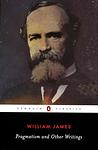
8. Pragmatism And Other Writings
This collection of essays delves into the philosophical movement of pragmatism, emphasizing the practical application of ideas and the belief that the truth of a concept is determined by its effectiveness in real-world situations. The writings explore the fluid nature of truth, the importance of individual experience, and the rejection of absolute certainties, advocating for a philosophy that adapts to the complexities of human life. Through a series of thought-provoking discussions, the work challenges traditional philosophical doctrines and encourages a more flexible, experiential approach to understanding reality.
-
9. Habit
This insightful work delves into the profound impact of habits on human behavior and the psyche, exploring how repetitive actions shape our lives and personalities. It examines the mechanisms by which habits are formed, emphasizing their role in simplifying complex tasks and conserving mental energy. The narrative underscores the importance of cultivating positive habits while cautioning against the detrimental effects of negative ones. Through a blend of psychological theory and practical advice, the book encourages readers to harness the power of habit to foster personal growth and improve overall well-being.
Purchase from Bookshop.org -
10. Great Ideas On A Certain Blindness In Human Beings
This insightful work delves into the limitations of human perception and understanding, exploring how individuals often fail to recognize the depth and complexity of others' experiences. Through a series of thought-provoking essays, the author argues that people are inherently blind to the richness of life outside their own immediate concerns, leading to misunderstandings and a lack of empathy. By highlighting this "blindness," the text encourages readers to cultivate greater awareness and appreciation for the diverse perspectives and realities that shape human existence.
Purchase from Bookshop.org -
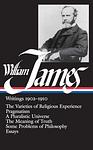
11. Writings 1902 1910
The Varieties of Religious Experience, Pragmatism, A Pluralistic Universe, The Meaning of Truth, Some Problems of Philosophy, Essays
This collection encapsulates a pivotal era in the evolution of philosophical thought, capturing the essence of pragmatism and radical empiricism. Through a series of essays and lectures, the author delves into the intricate interplay between belief systems, human experience, and the nature of truth. The writings explore the fluidity of reality, emphasizing the practical consequences of ideas and the subjective nature of perception. This compilation not only reflects the intellectual vigor of the early 20th century but also lays the groundwork for future philosophical discourse, challenging readers to reconsider the foundations of knowledge and reality.
-
12. The Will To Believe, Human Immortality And Other Essays In Popular Philosophy
Human Immortality and Other Essays in Popular Philosophy
This collection of essays delves into the philosophical exploration of belief, faith, and the human condition, emphasizing the importance of personal conviction in the absence of empirical evidence. It challenges the reader to consider the role of will in shaping one's beliefs and the potential for immortality, blending philosophical inquiry with accessible language to engage both scholars and laypersons. Through a pragmatic lens, the essays argue for the legitimacy of faith-based beliefs in the pursuit of truth, encouraging an open-minded approach to understanding the complexities of human existence.
Purchase from Bookshop.org -
13. Todellisen Moneus
Teos puolustaa pluralistista näkemystä siitä, että todellisuus ei ole yksittäinen, kaikkia ilmiöitä kattava yhdenmukainen kokonaisuus vaan monien toisiaan sivuuttavien, osittain riippumattomien kokemusten, prosessien ja mahdollisuuksien verkosto. Siinä arvostellaan absoluuttista monismia ja painotetaan yksilöllisten kokemusten, vapaan tahdon ja käytännön valintojen roolia totuuden ja arvon muotoutumisessa: totuus on osittaista, kehittyvää ja kytkeytynyt toimintaan. Filosofinen pohdinta yhdistää kokemuksellisia havaintoja, uskonnollisia tuntemuksia ja pragmatismin lähtökohtia, ja kutsuu hyväksymään epävarmuuden, moninaisuuden ja avoimuuden maailmanluonteen peruspiirteiksi.
-
14. Pragmatismi
A New Name for Some Old Ways of Thinking
A clear, accessible defense of pragmatism arguing that the meaning and truth of ideas are determined by their practical effects and consequences for experience; ideas function as tools for coping and guiding action rather than as mirror-like reflections of an absolute reality. The work rejects rigid metaphysical systems in favor of pluralism, fallibilism, and the experimental testing of beliefs—maintaining that even religious and ethical claims can be judged by the concrete differences they make in lived life.
Purchase from Bookshop.org