Robert Pinget
Robert Pinget was a French avant-garde writer and playwright, associated with the Nouveau Roman literary movement. His works often explore themes of memory and identity through experimental narrative techniques.
Books
This list of books are ONLY the books that have been ranked on the lists that are aggregated on this site. This is not a comprehensive list of all books by this author.
-
1. Someone

Set in a small French village, the narrative delves into the intricacies of human relationships and the passage of time through the eyes of a mysterious, unnamed protagonist. The story unfolds as a series of fragmented memories and conversations, capturing the essence of everyday life and the subtle complexities of existence. With a focus on the mundane yet profound moments, the narrative explores themes of identity, memory, and the elusive nature of truth, inviting readers to ponder the blurred lines between reality and perception.
The 6004th Greatest Book of All Time -
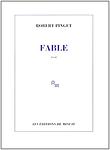
2. Fable
"Fable" is a complex and experimental novel that delves into the fragmented recollections of an unnamed narrator, who attempts to piece together the story of a missing person in a small, rural village. The narrative is characterized by its disjointed structure, shifting perspectives, and the unreliability of memory and language. As the narrator converses with various villagers, the text becomes a meditation on the act of storytelling itself, challenging the reader to discern truth within the layers of hearsay and contradiction that build the elusive tale of the absent character. The novel's dense and poetic prose invites multiple interpretations, making it a challenging yet rewarding read for those who appreciate literary puzzles and the deconstruction of traditional narrative forms.
The 8336th Greatest Book of All TimePurchase from Amazon -
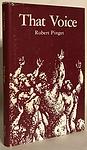
3. That Voice
The book in question is a complex exploration of memory and identity, told through the fragmented recollections of an unnamed narrator. As the protagonist attempts to piece together the story of a missing person, the narrative delves into a series of anecdotes, conversations, and musings that challenge the boundaries of reality and fiction. The text is characterized by its experimental style, with a stream-of-consciousness approach that blurs the lines between the narrator's inner thoughts and the external world, creating a disorienting yet thought-provoking experience for the reader.
The 9008th Greatest Book of All TimePurchase from Amazon -
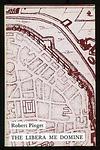
4. The Libera Me Domine
"The Libera Me Domine" is a contemplative novel that delves into the intricacies of memory and the nature of storytelling. Through a series of fragmented narratives and conversations, the book explores the life of a deceased character, as recounted by various inhabitants of a small village. The narrative is characterized by its experimental structure, shifting perspectives, and the unreliability of its narrators, which challenges readers to piece together the truth from the mosaic of recollections and anecdotes. The novel's title, a reference to a Latin prayer for deliverance, echoes its themes of seeking understanding and liberation from the confines of the past and the complexities of human recollection.
The 9548th Greatest Book of All TimePurchase from Amazon -
5. The Inquisitory
Set in a remote French village, the narrative unfolds through a meticulous and exhaustive interrogation conducted by an unnamed inquisitor. The story is relayed entirely through the responses of a servant named Fadinard, who recounts the life and mysterious disappearance of his master, the enigmatic and reclusive figure known as the "Master of the House." As Fadinard's testimony weaves through a labyrinth of memories, secrets, and local lore, the reader is drawn into a complex web of human relationships, revealing the intricate dynamics of power, loyalty, and the elusive nature of truth.
Purchase from Bookshop.org