Aimé Césaire
Aimé Césaire was a Martinican poet, author, and politician. He was one of the founders of the Négritude movement in Francophone literature, which sought to reclaim the value of black culture and identity. Césaire's work has had a significant impact on postcolonial thought and literature.
Books
This list of books are ONLY the books that have been ranked on the lists that are aggregated on this site. This is not a comprehensive list of all books by this author.
-
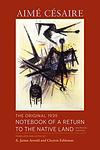
1. Notebook Of A Return To The Native Land
This book is a powerful, lyrical exploration of identity, colonialism, and the African diaspora. Through a blend of surrealist imagery and impassioned prose, the narrative delves into the author's personal journey of self-discovery and his reflections on the cultural and political struggles of his homeland. The work is a poignant meditation on the pain of displacement and the enduring quest for belonging and empowerment in the face of historical oppression.
The 1860th Greatest Book of All TimePurchase from Bookshop.org or Amazon -
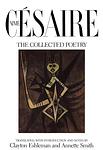
2. Collected Poetry
This anthology is a comprehensive collection of poems by a prominent 20th-century poet and politician, known for his blend of surrealism and his passionate voice against colonialism and racism. The works within reflect the poet's deep engagement with his Caribbean heritage, his intense struggle for black identity, and his relentless fight for political and cultural emancipation. The poems are rich with vivid imagery and powerful language, exploring themes of history, identity, and the natural world, while also delving into the psychological and mythical dimensions of human experience. Through his poetry, the author articulates a vision that is both revolutionary and lyrical, offering a profound and enduring contribution to world literature.
The 7656th Greatest Book of All TimePurchase from Amazon -
3. Discourse On Colonialism
The book is a powerful critique of colonialism and its dehumanizing effects on both the colonized and the colonizers. It argues that colonialism is inherently exploitative and brutal, driven by economic greed and a sense of racial superiority. The author highlights the hypocrisy of European nations that claim to uphold civilization while committing atrocities in colonized regions. By exposing the moral and ethical contradictions of colonial rule, the work calls for a rejection of colonial ideologies and advocates for a new, more equitable world order that respects the dignity and rights of all people.
The 15916th Greatest Book of All TimePurchase from Bookshop.org or Amazon