Erving Goffman
Erving Goffman was a Canadian sociologist, social psychologist, and writer, known for his analysis of social interaction and the concept of dramaturgy in sociology.
Books
This list of books are ONLY the books that have been ranked on the lists that are aggregated on this site. This is not a comprehensive list of all books by this author.
-
1. The Presentation Of Self In Everyday Life
This seminal sociological text examines the ways in which individuals shape their identities through interaction with others in society, likening everyday activities to a theatrical performance. The author argues that people present different "faces" or personas in various social contexts, managing impressions to control how they are perceived by others. Through this lens, the book explores concepts such as the front stage and back stage of personal performance, the use of props and settings, and the collaborative nature of social interactions. The work provides a framework for understanding the intricacies of social life and the subtle art of personal presentation.
The 3516th Greatest Book of All TimePurchase from Bookshop.org or Amazon -
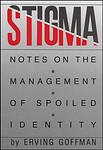
2. Stigma
Notes on the Management of Spoiled Identity
This seminal work delves into the complex social dynamics surrounding individuals who possess attributes that deviate from societal norms, often leading to their marginalization. It explores the concept of "stigma" as a social construct, examining how it affects personal identity and interactions. Through a series of case studies and theoretical insights, the book highlights the strategies individuals employ to manage their stigmatized identities, whether by concealing their differences or confronting societal prejudices. It offers a profound understanding of the interplay between identity, society, and the mechanisms of social exclusion.
-
3. Asylums
Essays on the Social Situation of Mental Patients and Other Inmates
This seminal work delves into the intricate social dynamics within total institutions, such as mental hospitals and prisons, where individuals are isolated from the broader society. Through meticulous observation and analysis, it explores how these environments strip away personal identity, enforce conformity, and create a distinct culture among both inmates and staff. The book offers a profound examination of the power structures and rituals that govern life within these closed systems, highlighting the impact on the self and the complex interplay between personal agency and institutional control.
Purchase from Bookshop.org