Ronald Dworkin
Ronald Dworkin was an American philosopher and scholar of constitutional law. He is best known for his work on the theory of law and his advocacy for the moral reading of the United States Constitution.
Books
This list of books are ONLY the books that have been ranked on the lists that are aggregated on this site. This is not a comprehensive list of all books by this author.
-
1. Taking Rights Seriously
The book is a seminal work in legal philosophy that argues for a rights-based theory of law, challenging the prevalent utilitarian approach that prioritizes the greatest good for the greatest number. The author insists that individual rights should be treated as absolute trumps against the state's utilitarian calculations, advocating for a moral reading of the constitution where rights are grounded in justice rather than legislative majority. Through a series of essays, the work explores the role of moral principles in legal decision-making, the concept of judicial discretion, and the proper interpretation of the law, ultimately emphasizing that rights are fundamental to the American legal system and should be taken seriously by judges, lawmakers, and citizens alike.
The 8664th Greatest Book of All TimePurchase from Bookshop.org or Amazon -
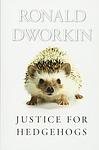
2. Justice For Hedgehogs
"Justice for Hedgehogs" is a philosophical treatise that explores the relationship between ethics, morality, and law, arguing for a unified theory of value. The author contends that living well and acting morally are inseparable from understanding and upholding truth and justice, encapsulated in the assertion that "the only ethical truth is that all values are interconnected." This work challenges the prevalent view of legal positivism and moral relativism, advocating instead for a coherent system where values like dignity, responsibility, and respect are interdependent, ultimately supporting the idea that living a good and meaningful life involves recognizing and acting upon these intrinsic connections.
The 17162nd Greatest Book of All TimePurchase from Amazon -
3. Law's Empire

A sustained argument for an interpretive theory of legal practice in which judges read statutes, precedents, and political practices as parts of a coherent moral narrative: hard cases are decided by 'constructive interpretation' that balances fit with existing legal materials and justification in principles of justice and fairness. The work rejects legal positivism's strict separation of law and morality, portrays judicial decisionmaking as a form of authorship guided by principles that protect individual rights as trumps against aggregate policy goals, and emphasizes integrity, coherence, and moral responsibility as the aims of legal reasoning.
Purchase from Bookshop.org