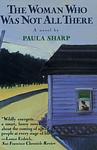
Paula Sharp
Paula Sharp is an American author known for her novels and short stories. Her works often explore themes of social justice and personal transformation.
Books
This list of books are ONLY the books that have been ranked on the lists that are aggregated on this site. This is not a comprehensive list of all books by this author.
-
1. The Woman Who Was Not All There
The novel explores the complex life of a woman who, after suffering a traumatic brain injury, finds herself grappling with the disorienting effects of amnesia and identity loss. As she attempts to piece together her fragmented memories and navigate her altered reality, she encounters a cast of characters who each contribute to her understanding of her past and her journey towards self-discovery. The narrative delves into themes of mental health, resilience, and the elusive nature of self, challenging readers to consider the ways in which identity is constructed and the profound impact of memory on our sense of self.
The 11901st Greatest Book of All TimePurchase from Amazon -
2. The Route Map To Business Continuity Management Meeting The Requirements Of Iso 22301
Meeting the Requirements of ISO 22301

This comprehensive guide delves into the intricacies of establishing a robust Business Continuity Management System (BCMS) in alignment with the ISO 22301 standard. It provides a clear roadmap for organizations aiming to enhance their resilience against disruptions, offering practical insights into risk assessment, strategy development, and implementation processes. The book emphasizes the importance of leadership commitment, continuous improvement, and stakeholder engagement, ensuring that businesses can effectively navigate and recover from unforeseen challenges while maintaining operational stability.
-
3. A Visual History Of Twentieth Century Architecture
This comprehensive visual guide delves into the transformative journey of architectural design throughout the 20th century, highlighting the dynamic interplay between form, function, and innovation. It explores the evolution of architectural styles, from the bold lines of modernism to the eclectic influences of postmodernism, while showcasing the works of pioneering architects who reshaped urban landscapes. Through a rich collection of images and insightful commentary, the book captures the essence of how architecture responded to cultural, technological, and social changes, offering readers a vivid exploration of the century's most iconic structures and the visionary minds behind them.
-
4. Town And Townscape
Set against the backdrop of a small, tightly-knit community, this novel intricately weaves the lives of its residents, exploring the delicate balance between tradition and change. Through a tapestry of interconnected stories, the narrative delves into the complexities of human relationships, the impact of societal expectations, and the enduring spirit of resilience. With vivid descriptions and a keen eye for detail, the book paints a poignant portrait of a town grappling with the challenges of modernity while holding onto its cherished past.
-
5. The Anatomy Of The Village
The book delves into the intricate dynamics of a small, tightly-knit community, exploring the complex interplay of relationships, traditions, and secrets that bind its residents together. Through vivid storytelling and rich character development, it paints a portrait of village life where the past and present collide, revealing the underlying tensions and unspoken truths that shape the lives of its inhabitants. The narrative weaves together personal stories and broader societal themes, offering a poignant reflection on the nature of community and the human condition.
-
6. From Dictatorship To Democracy
The book offers a comprehensive guide on transitioning from authoritarian regimes to democratic governance, emphasizing the strategic and nonviolent methods that can be employed to dismantle dictatorial power structures. It provides a detailed analysis of the political, social, and economic challenges faced during such transitions, drawing on historical examples and theoretical frameworks to illustrate the complexities involved. The narrative underscores the importance of grassroots movements, international support, and the resilience of civil society in achieving sustainable democratic change.
Purchase from Bookshop.org -
7. Iterate