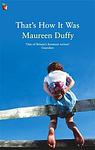
Maureen Duffy
Maureen Duffy is a British poet, playwright, and novelist known for her works that often explore themes of identity, sexuality, and social issues. She has been a prominent figure in the literary world since the 1960s and is also known for her activism, particularly in the areas of LGBT rights and authors' rights.
Books
This list of books are ONLY the books that have been ranked on the lists that are aggregated on this site. This is not a comprehensive list of all books by this author.
-
1. That's How It Was
An Autobiography
The book is a poignant exploration of memory, family, and the passage of time, as seen through the eyes of a young girl growing up in post-war Britain. The narrative delves into the complexities of her relationships with her parents, the impact of social change, and the personal growth that accompanies coming of age. The protagonist's reflections on her past, interwoven with the cultural and historical context of the era, paint a vivid picture of a bygone time, capturing the essence of life's fleeting moments and the enduring nature of memory.
The 16545th Greatest Book of All TimePurchase from Amazon -
2. Parable Of The Sower

Set in a dystopian future ravaged by climate change and societal collapse, the narrative follows a young woman with an extraordinary gift for empathy, who embarks on a perilous journey to establish a new community based on her visionary belief system. As she navigates through a world plagued by violence, scarcity, and despair, she gathers a diverse group of followers, each seeking hope and purpose amidst the chaos. Her story is a powerful exploration of resilience, faith, and the enduring human spirit in the face of overwhelming adversity.
-
3. The Bielski Brothers
A gripping account of a group of Jewish brothers who escape Nazi persecution in occupied Eastern Europe and build a forest-based partisan community that rescues and shelters hundreds of refugees while mounting armed resistance. The story follows the daily struggles to survive—securing food, defending the camp, and navigating moral and strategic decisions—against the backdrop of brutal war, complex relations with other partisan groups, and the challenge of preserving humanity and family bonds amid violence. It combines historical detail with intimate portrayals of courage, leadership, and the ambiguities of resistance.