Stig Dagerman
Stig Dagerman was a Swedish author and journalist, known for his existential and often darkly poetic works. He gained significant recognition in the 1940s for his novels, short stories, and plays, which often explored themes of human suffering and the search for meaning in a chaotic world.
Books
This list of books are ONLY the books that have been ranked on the lists that are aggregated on this site. This is not a comprehensive list of all books by this author.
-
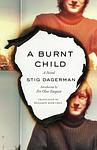
1. A Burnt Child
The novel delves into the psychological turmoil of a young man grappling with the complexities of adulthood and the haunting specter of his father's death. As he navigates the murky waters of guilt, desire, and rebellion, he becomes entangled in a web of relationships that challenge his understanding of love, morality, and his own identity. Set against the backdrop of post-war Sweden, the story is a poignant exploration of grief, the struggle for self-discovery, and the painful journey towards coming-of-age in a world that seems both indifferent and unforgiving.
The 1946th Greatest Book of All TimePurchase from Bookshop.org or Amazon -
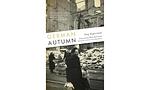
2. German Autumn
The book is a poignant collection of essays that captures the bleak and desolate atmosphere of post-World War II Germany. Through vivid and empathetic reportage, it explores the struggles of ordinary Germans as they grapple with the devastation of their cities, the scarcity of resources, and the moral complexities of their recent past. The author provides a nuanced perspective on the human condition, highlighting the resilience and despair of a society attempting to rebuild amidst the ruins, while also reflecting on broader themes of guilt, responsibility, and the search for meaning in a shattered world.
The 11221st Greatest Book of All TimePurchase from Amazon -
3. A Moth To A Flame

Set in post-war Sweden, this poignant narrative delves into the life of Bengt, a young man grappling with the complexities of love, guilt, and existential despair. As he returns home after a period of absence, he is confronted with the haunting memories of his father's suicide and the tumultuous relationship with his mother. The story unfolds with Bengt's intense infatuation with a mysterious woman, which leads him down a path of self-destruction and moral ambiguity. Through its introspective lens, the novel explores themes of human frailty, the search for meaning, and the inevitable pull of destructive desires.
The 16790th Greatest Book of All Time