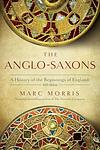
Marc Morris
Marc Morris is a British historian and author, known for his works on medieval history, including books on castles, the Norman Conquest, and King John.
Books
This list of books are ONLY the books that have been ranked on the lists that are aggregated on this site. This is not a comprehensive list of all books by this author.
-
1. The Anglo Saxons
A History of the Beginnings of England
This historical work delves into the rich and complex era of the Anglo-Saxons, spanning from the fall of the Roman Empire to the Norman Conquest of England in 1066. It explores the formation of English identity, culture, and language through the intermingling of indigenous Britons with invading Germanic tribes. The narrative illuminates the lives of kings and commoners, the establishment of Christianity, and the enduring legacies of this formative period. Through a blend of archaeological findings, historical documents, and engaging storytelling, the book offers a vivid portrait of a society that laid the foundational stones of modern England.
The 14986th Greatest Book of All TimePurchase from Amazon -
2. The Norman Conquest
The Battle of Hastings and the Fall of Anglo-Saxon England

A vivid account of the struggle for England in 1066, it traces the collapse of Edward the Confessor’s succession, the rival claims of Harold Godwinson, William of Normandy, and Harald Hardrada, and the decisive battles at Stamford Bridge and Hastings. It follows the conqueror’s brutal consolidation—rebellions, castle-building, and the Harrying of the North—and explains how the takeover reshaped politics, landholding, the Church, and culture. Drawing on contemporary chronicles and archaeology, it separates myth from evidence to reveal both the contingency of victory and the conquest’s lasting legacy.
Purchase from Bookshop.org -
3. Castles
A lively, panoramic history that traces the rise, evolution and eventual decline of the medieval castle, explaining how these fortified stone and timber strongholds were designed, built and used as military bases, administrative centers and symbols of authority; it balances architectural detail—from motte-and-bailey earthworks to concentric stone keeps—with stories of sieges, politics and daily life, considers regional variations (including crusader and continental examples), and shows how changes in technology and society, especially the advent of gunpowder and centralized monarchies, transformed castles from practical fortresses into heritage icons.
Purchase from Bookshop.org -
5. A Great And Terrible King
Edward I and the Forging of Britain
A brisk, narrative biography of King Edward I that follows his rise to power and the energetic, often ruthless program of conquest and reform by which he sought to reshape the British Isles in the late 13th and early 14th centuries: from his consolidation of royal authority and legal and administrative reforms (including the summons of the Model Parliament and a series of statutes) to the military campaigns that subdued Wales with a ring of great stone castles and brought him into brutal conflict with the Scots; the book balances his piety, personal grief and attention to governance with episodes of harshness—the expulsion of the Jews, forced displacements and relentless warfare—arguing that his strength of will and institutional innovations helped to forge a more centralized, if often coercive, medieval kingdom whose legacy endured long after his death.
Purchase from Bookshop.org