Hans Rosling
Hans Rosling was a Swedish physician, academic, and public speaker known for his work in global health and his ability to present complex data in an engaging and understandable way. He co-founded the Gapminder Foundation, which developed the Trendalyzer software system.
Books
This list of books are ONLY the books that have been ranked on the lists that are aggregated on this site. This is not a comprehensive list of all books by this author.
-
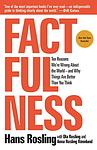
1. Factfulness
Ten Reasons We're Wrong About the World—and Why Things Are Better Than You Think
The book challenges common misconceptions about the state of the world, using a wealth of statistical data to argue that, contrary to popular belief, global living conditions are improving significantly. It introduces ten instincts that distort our perspective—from the fear instinct (which leads us to perceive the world as more frightening than it is) to the destiny instinct (which causes us to assume that the fates of populations are predetermined). The author, a renowned public health expert, encourages readers to adopt a "factful" mindset, which relies on data and evidence to create a more accurate understanding of the world, ultimately fostering a more positive and productive approach to global challenges.
The 12870th Greatest Book of All TimePurchase from Amazon -
3. Factfulness. Dlaczego świat Jest Lepszy, Niż Myślimy, Czyli Jak Stereotypy Zastąpić Realną Wiedzą

Książka obala powszechne, pesymistyczne przekonania o stanie świata, pokazując na liczbach i wykresach, że wiele aspektów życia globalnego – np. zdrowie, edukacja i ubóstwo – poprawiło się znacząco w ciągu ostatnich dekad. Autor identyfikuje typowe instynkty poznawcze (np. instynkt luki, negatywności, uogólniania czy pilności), które zniekształcają nasze postrzeganie rzeczywistości, i proponuje praktyczne zasady myślenia oparte na danych, by zastąpić stereotypy rzetelną wiedzą. To przewodnik po bardziej realistycznym, faktopochodnym spojrzeniu na świat, zachęcający do krytycznego, empirycznego podejścia przy ocenie informacji.