Pío Baroja
Pío Baroja y Nessi was a Spanish writer and one of the leading figures of the Generation of '98, a group of novelists, poets, essayists, and philosophers active in Spain in the early 20th century. He is best known for his novels, which often explore themes of existentialism and social criticism.
Books
This list of books are ONLY the books that have been ranked on the lists that are aggregated on this site. This is not a comprehensive list of all books by this author.
-
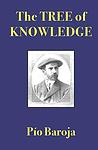
1. The Tree Of Knowledge
A Philosophical Novel
"The Tree of Knowledge" is a philosophical novel that delves into the life of Andrés Hurtado, a young man who struggles with the meaning of life and the search for truth in a society filled with hypocrisy and superficiality. As he pursues a career in medicine, Hurtado becomes increasingly disillusioned with the human condition and the limitations of scientific understanding. His journey is one of intellectual and emotional turmoil, as he grapples with existential questions and the complexities of love, family, and societal expectations. The narrative is a reflection on the challenges of reconciling the pursuit of knowledge with the quest for personal happiness and moral integrity.
The 15757th Greatest Book of All TimePurchase from Amazon -
2. Zalacaín El Aventurero
The novel follows the adventurous life of a daring and spirited young man named Zalacaín, set against the backdrop of the Carlist Wars in the Basque Country. Zalacaín, known for his resourcefulness and bravery, navigates a series of thrilling escapades and dangerous encounters, driven by his desire for freedom and excitement. Throughout his journey, he faces various challenges, including conflicts with rival factions and personal betrayals, all while maintaining his indomitable spirit. The story captures the essence of adventure and the complexities of human nature amidst the turmoil of war.
-
3. La Busca
La vida de un hombre
Set in the vibrant yet gritty streets of early 20th-century Madrid, this novel follows the journey of a young man named Manuel as he navigates the challenges of urban life. Struggling with poverty and the harsh realities of the working class, Manuel encounters a diverse array of characters, each representing different facets of society. Through his experiences, the narrative delves into themes of social injustice, existential search for meaning, and the relentless pursuit of a better life, painting a vivid picture of the human condition amidst the backdrop of a rapidly changing world.
-
4. The World Of The Witches

Set against the backdrop of early 20th-century Spain, this intriguing narrative delves into the mysterious and often misunderstood world of witchcraft. The story weaves together folklore, superstition, and the societal perceptions of witches, exploring how these elements influence the lives of individuals and communities. Through a series of interconnected tales, the book examines the tension between tradition and modernity, as well as the human tendency to fear the unknown. The narrative is rich with cultural insights and offers a compelling exploration of the intersection between myth and reality.
-
5. Cuentos
This collection of short stories delves into the intricacies of human nature and the complexities of life through a series of vivid and engaging narratives. Each tale offers a unique glimpse into the lives of diverse characters, exploring themes of existentialism, morality, and the relentless pursuit of personal freedom. The stories are set against the backdrop of early 20th-century Spain, capturing the essence of a society in transition, where tradition and modernity often collide. With a keen eye for detail and a profound understanding of the human condition, the narratives weave together a tapestry of emotions, leaving readers with a deeper appreciation for the nuances of everyday life.
Purchase from Bookshop.org -
6. El árbol De La Ciencia
Set in the late 19th and early 20th century Spain, this novel follows the life of Andrés Hurtado, a young medical student disillusioned by the societal and existential challenges he faces. Through his journey, the narrative explores themes of intellectual pursuit, the search for meaning, and the harsh realities of life, as Andrés grapples with the limitations of science and the complexities of human nature. His interactions with various characters, including his family, friends, and patients, highlight the struggles between idealism and the often harsh truths of the world, ultimately leading him to question the very essence of existence and the role of science in understanding it.
Purchase from Bookshop.org