Peter Weiss
Peter Weiss was a German writer, painter, and filmmaker, known for his plays such as 'Marat/Sade' and his novel 'The Aesthetics of Resistance'.
Books
This list of books are ONLY the books that have been ranked on the lists that are aggregated on this site. This is not a comprehensive list of all books by this author.
-
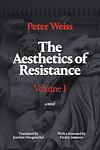
1. The Aesthetics Of Resistance
The book explores the intertwining of art, politics, and resistance through the experiences of a group of young working-class individuals in Nazi Germany. It delves into their intellectual and emotional struggles as they seek to understand and oppose the oppressive regime, drawing inspiration from art and history. Through a rich tapestry of cultural references and philosophical discussions, the narrative examines the power of art as a form of resistance and a means of preserving human dignity in the face of tyranny. The characters' journey is a profound meditation on the role of culture and collective memory in the fight against fascism.
The 3192nd Greatest Book of All TimePurchase from Bookshop.org or Amazon -
2. Leavetaking
In this poignant and introspective narrative, a young artist reflects on his formative years, grappling with the complexities of identity, memory, and the passage of time. Through a series of vivid recollections, he revisits his childhood home, the influence of his parents, and the emotional landscapes that have shaped his creative journey. The story unfolds as a delicate tapestry of personal and universal themes, capturing the essence of leaving behind the familiar to embrace the uncertainties of the future.
The 4106th Greatest Book of All TimePurchase from Amazon -
3. Marat Sade
The Persecution and Assassination of Jean-Paul Marat as Performed by the Inmates of the Asylum of Charenton Under the Direction of the Marquis de Sade
The play is a dramatic exploration of power, class struggle, and human suffering set within the confines of an insane asylum in 1808 France. It depicts the Marquis de Sade as an inmate directing his fellow patients in a play about the assassination of Jean-Paul Marat, a radical journalist and politician during the French Revolution. The work delves into the philosophical and political debates between Sade and Marat, representing differing views on revolution, freedom, and the nature of humanity. As the inmates perform, the line between performance and reality blurs, creating a provocative and chaotic theater experience that challenges the audience's perception of madness and reason.
The 13938th Greatest Book of All TimePurchase from Amazon -
4. The Aesthetics Of Resistance, Vol. I

Set against the backdrop of the tumultuous 1930s, this narrative delves into the lives of three young working-class friends in Berlin who are fervently engaged in the anti-fascist resistance movement. Through their eyes, the story explores the intersection of art, politics, and personal struggle, as they grapple with the oppressive forces of Nazism and the complexities of their own identities. The narrative weaves together historical events, philosophical reflections, and vivid descriptions of art, offering a profound meditation on the power of cultural resistance and the enduring human spirit in the face of tyranny.
Purchase from Bookshop.org -
5. The Aesthetics Of Resistance, Vol. 1
A sweeping, dense novel that interweaves the lives of politically committed workers and artists during the rise of fascism, using scenes of collective action, remembered episodes, and sustained meditations on paintings, sculptures and literature to show how cultural memory and aesthetic experience inform and strengthen anti-fascist resistance; the narrative blends historical detail, art-historical analysis and intimate reflection to argue that political struggle and artistic consciousness are mutually constitutive forces in the fight against oppression.
Purchase from Bookshop.org