Desmond Morris
Desmond John Morris is a British zoologist, ethologist, and surrealist painter, best known for his work as a popular author in human sociobiology. He gained fame with his 1967 book 'The Naked Ape', which compared human behavior to that of other animals.
Books
This list of books are ONLY the books that have been ranked on the lists that are aggregated on this site. This is not a comprehensive list of all books by this author.
-
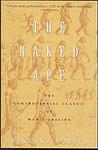
1. The Naked Ape
A Zoologist's Study of the Human Animal
This book offers a groundbreaking, zoological perspective on human behavior, examining humans as a species of animal. The author, a renowned zoologist, delves into various aspects of human life including sexuality, child-rearing, and social structures, comparing them with the behaviors of other animals. Through this comparative analysis, the book challenges conventional views on human exceptionalism, arguing that many human behaviors can be understood through our biological and evolutionary origins. The work has sparked considerable debate and discussion, influencing both scientific and popular views on human nature since its publication.
The 1345th Greatest Book of All TimePurchase from Bookshop.org or Amazon -
2. Mowa Ciała W Sztuce. Pozy I Gesty

This insightful exploration delves into the intricate world of body language within the realm of art, examining how artists throughout history have utilized poses and gestures to convey complex emotions and narratives. The book offers a comprehensive analysis of various artistic periods and styles, highlighting the subtle yet powerful ways in which non-verbal communication is depicted in paintings, sculptures, and other art forms. Through a detailed examination of iconic works, it reveals the universal language of the body and its enduring impact on human expression and understanding.
-
3. Сюрреалисты в жизни
A lively set of biographical sketches that peels back the myths around leading Surrealists, revealing tangled relationships, rivalries, scandals, and everyday habits alongside their radical art. Blending anecdotes with historical detail, it offers intimate portraits that link creative breakthroughs to eccentric personalities, politics, loves, and losses. The result is an accessible, humanizing tour of the movement from cafés and studios to wartime exile and postwar reinvention.
-
4. The Human Zoo
A provocative anthropological study that likens modern urban life to a human zoo, arguing that people evolved for small, close-knit groups and often suffer stress, aggression and abnormal behaviors when confined in dense, anonymous city environments; it examines crowd dynamics, territoriality, social signaling, mating and aggression, and suggests that understanding innate human instincts can inform architecture, social planning and policy to reduce alienation and improve urban living.
Purchase from Bookshop.org