Antonio Damasio
Antonio Damasio is a renowned neuroscientist and author known for his work on the role of emotions in decision-making and consciousness. He is a professor at the University of Southern California and has written several influential books, including 'Descartes' Error' and 'The Feeling of What Happens'.
Books
This list of books are ONLY the books that have been ranked on the lists that are aggregated on this site. This is not a comprehensive list of all books by this author.
-
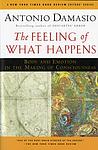
1. The Feeling Of What Happens
Body and Emotion in the Making of Consciousness
This book delves into the complex interplay between emotion, consciousness, and the human brain, offering a groundbreaking perspective on how our feelings shape our experiences of the world. The author, a renowned neuroscientist, explores the biological roots of consciousness and argues that our emotions are a crucial component of the self, playing a fundamental role in the way we perceive and navigate our surroundings. Through a combination of scientific research and philosophical inquiry, the text provides a compelling examination of the essence of human awareness, suggesting that the feeling of what happens in our minds is central to our identity and understanding of life.
The 6375th Greatest Book of All TimePurchase from Bookshop.org or Amazon -
2. Descartes' Irrtum. Fühlen, Denken Und Das Menschliche Gehirn
Fühlen, Denken Und Das Menschliche Gehirn
In this book, the author challenges the traditional separation of mind and body by exploring the integral role emotions play in human reasoning and decision-making. Through a blend of neuroscience, psychology, and philosophy, the author argues that emotions are not just peripheral to rational thought but are essential to it, influencing our cognitive processes and shaping our personal and social behaviors. By examining case studies and scientific research, the book illustrates how the brain's emotional and rational functions are interconnected, ultimately proposing a more holistic understanding of human consciousness and the mind-body relationship.
-
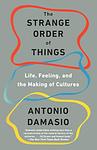
3. The Strange Order Of Things
Life, Feeling, and the Making of Cultures
The book explores the intricate relationship between emotions, feelings, and the development of cultures and societies. It delves into how biological processes, particularly those related to homeostasis, have influenced the evolution of human consciousness and social structures. By examining the role of emotions in shaping human behavior and cultural phenomena, the author argues that feelings are not just personal experiences but fundamental to the development of human civilization. The narrative weaves together insights from neuroscience, biology, and philosophy to illustrate how the mind and culture are deeply interconnected.
-
4. Looking For Spinoza
Joy, Sorrow, and the Feeling Brain

This insightful exploration delves into the intricate relationship between emotions, feelings, and human consciousness, drawing connections between modern neuroscience and the philosophical insights of a 17th-century thinker. It examines how emotions are not just biological responses but are deeply intertwined with our sense of self and decision-making processes. Through a blend of scientific analysis and philosophical discourse, the narrative seeks to illuminate how understanding these connections can enhance our comprehension of human nature and the essence of well-being.
Purchase from Bookshop.org -
5. Self Comes To Mind
Constructing the Conscious Brain
In this thought-provoking exploration of consciousness, the author delves into the intricate relationship between the brain, mind, and self. By weaving together insights from neuroscience, psychology, and philosophy, the narrative unravels how the mind emerges from the physical processes of the brain, ultimately giving rise to the sense of self. The book offers a compelling argument that consciousness is not a singular entity but a complex interplay of neural patterns and bodily experiences, challenging traditional notions of self-awareness and identity.
Purchase from Bookshop.org -
6. A Estranha Ordem Das Coisas
As Origens Biológicas dos Sentimentos e da Cultura
This thought-provoking work delves into the intricate relationship between emotions, consciousness, and the evolution of life. It explores how feelings have played a pivotal role in shaping human culture and society, arguing that emotions are fundamental to the development of reason and decision-making. By examining the biological and cultural evolution of emotions, the book offers a fresh perspective on the interconnectedness of life, emphasizing the importance of understanding the origins and functions of feelings to grasp the complexity of human existence.
-
7. Feeling & Knowing
Making Minds Conscious
The book argues that feelings are biological, brain-generated maps of the body's internal states that provide value-based guidance for behavior, while knowing is the cognitive capacity built upon those affective signals; using neuroscience evidence, clinical cases, and philosophical reflection, it explains how emotions, feelings, and homeostatic regulation underlie decision-making, consciousness, and the sense of self.
Purchase from Bookshop.org -
8. Der Spinoza Effekt
Joy, Sorrow, and the Feeling Brain
Drawing on neuroscience and philosophy, the book traces how emotions and feelings arise from interactions between brain and body, argues that feelings are mental representations of physiological states that guide behavior and decision-making, and revives Spinoza’s insight that emotion and reason are deeply intertwined rather than opposed; it explains the neural mechanisms behind joy, sorrow, and consciousness, shows how homeostatic regulation and brain maps produce a sense of self, and discusses implications for mental health, social behavior, and our understanding of human rationality.
Purchase from Bookshop.org -
9. Spinoza Avait Raison
Joy, Sorrow, and the Feeling Brain
An accessible blend of neuroscience and philosophy arguing that emotions and feelings are biological processes essential to reason and consciousness; it traces how feelings arise from the brain’s mapping of body states, explains neural mechanisms underlying emotions and their role in decision-making and social behavior, challenges Cartesian mind–body dualism by showing how feelings constitute a core of the self, and connects these findings to ethical and social questions to show how the biology of feeling helps illuminate human values and moral judgment.
Purchase from Bookshop.org