Walter A. Kaufmann
Walter Arnold Kaufmann was a German-American philosopher, translator, and poet. He is best known for his translations and interpretations of the works of Friedrich Nietzsche, as well as his writings on existentialism and the philosophy of religion.
Books
This list of books are ONLY the books that have been ranked on the lists that are aggregated on this site. This is not a comprehensive list of all books by this author.
-
1. Critique Of Religion And Philosophy
This book presents a comprehensive examination and critique of both religious thought and philosophical traditions, arguing that the two disciplines have often failed to address fundamental human concerns in a satisfactory manner. The author challenges the reader to question conventional wisdom, advocating for a more critical, honest approach to understanding the human condition. Through a detailed analysis of historical and contemporary philosophical arguments, as well as religious doctrines, the work encourages a more nuanced, thoughtful engagement with the questions that have perplexed humanity for centuries, ultimately calling for a synthesis of the best aspects of religious and philosophical thought.
The 15806th Greatest Book of All TimePurchase from Bookshop.org or Amazon -
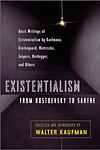
2. Existentialism From Dostoevsky To Sartre
Basic Writings of Existentialism
This insightful anthology delves into the evolution of existentialist thought, tracing its roots and development through the works of pivotal figures such as Dostoevsky, Nietzsche, Kierkegaard, and Sartre. It explores the core themes of existentialism, including the nature of existence, freedom, and the search for meaning in a seemingly indifferent universe. The collection offers a comprehensive overview of existentialist philosophy, presenting key texts and ideas that highlight the diversity and depth of this influential movement, while also providing critical commentary and analysis to guide readers through the complex landscape of existential thought.
The 17112th Greatest Book of All Time -
3. Existentialism, Religion And Death
Twelve Essays

This thought-provoking work delves into the intricate relationship between existentialism, religion, and the concept of death, offering a comprehensive exploration of how these themes intersect and influence human understanding. Through a critical examination of existentialist philosophers, the text challenges traditional religious doctrines and presents a nuanced perspective on the human condition, emphasizing the importance of individual freedom, authenticity, and the quest for meaning in a seemingly indifferent universe. It invites readers to reflect on the profound questions of existence, morality, and the inevitability of death, encouraging a deeper appreciation of life's complexities.
-
4. The Faith Of A Heretic
What Is Living and What Is Dead in the Religions of the World
This thought-provoking work challenges conventional religious beliefs and explores the nature of faith from a philosophical perspective. It delves into the complexities of human spirituality, questioning dogmatic adherence to religious doctrines while advocating for a more personal and introspective approach to understanding faith. The book encourages readers to embrace skepticism and critical thinking, urging them to seek truth beyond traditional boundaries and to find meaning through individual exploration and self-discovery.
Purchase from Bookshop.org -
5. Nietzsche
Philosopher, Psychologist, Antichrist
This comprehensive work delves into the life, philosophy, and enduring influence of one of the most provocative thinkers of the 19th century. It explores the complexities of his ideas, such as the "will to power," "eternal recurrence," and the "Übermensch," while also addressing common misconceptions and criticisms. The book provides a nuanced understanding of his thoughts on morality, religion, and culture, offering readers a thorough analysis of how his revolutionary ideas continue to challenge and inspire modern philosophical discourse.
Purchase from Bookshop.org -
6. Tragedy And Philosophy
An inquiry into how tragic drama illuminates human existence more deeply than systematic philosophy, showing how themes of freedom, responsibility, guilt, and the limits of reason shape a life-affirming response to suffering. Reinterpreting notions like catharsis, fate, and the tragic hero, it critiques moralism and theodicy, bridges classical and modern works, and assesses whether authentic tragedy is still possible today.