Richard Arum
Richard Arum is an American sociologist and professor known for his work in the field of education. He is a co-author of the book 'Academically Adrift: Limited Learning on College Campuses,' which examines the effectiveness of higher education in the United States.
Books
This list of books are ONLY the books that have been ranked on the lists that are aggregated on this site. This is not a comprehensive list of all books by this author.
-
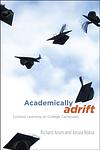
1. Academically Adrift
Limited Learning on College Campuses
This book presents a critical examination of the American higher education system, arguing that it is failing to adequately prepare students for their future careers and lives. Through a detailed analysis of students' performance on standardized tests, as well as their study habits and academic engagement, the book reveals that a significant portion of undergraduates show little improvement in critical thinking, complex reasoning, and writing skills during their college years. The authors attribute this lack of progress to a combination of factors, including the prevalence of a campus culture that prioritizes social life over academic work and an educational system that incentivizes enrollment and retention over rigorous academic standards. The book calls for a reevaluation of higher education policies and practices to ensure that colleges and universities fulfill their educational missions.
The 14554th Greatest Book of All TimePurchase from Amazon -
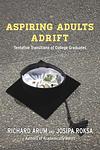
2. Aspiring Adults Adrift
Tentative Transitions of College Graduates
In this insightful exploration of the post-college landscape, the authors delve into the challenges faced by recent graduates as they transition into adulthood. Drawing on extensive research and interviews, the book reveals a concerning trend of young adults struggling to find stable employment, develop meaningful relationships, and achieve financial independence. It highlights the disconnect between higher education and real-world preparedness, emphasizing the need for systemic changes to better equip students for the complexities of modern life. Through compelling narratives and data-driven analysis, the book offers a critical examination of the societal and institutional factors contributing to this widespread phenomenon.