Jefferson Cowie
Jefferson Cowie is an American historian known for his work on labor history and social class in the United States. He is a professor at Vanderbilt University and has written several influential books on American history.
Books
This list of books are ONLY the books that have been ranked on the lists that are aggregated on this site. This is not a comprehensive list of all books by this author.
-
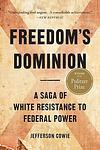
1. Freedom's Dominion
A Saga of White Resistance to Federal Power
This book delves into the complex history of a rural Alabama county to explore the broader American struggle between democracy and authoritarianism from the era of slavery through the Civil Rights Movement. It meticulously examines how the local governance, economic systems, and social norms within this microcosm reflected and influenced the nation's turbulent journey towards freedom and equality. Through a detailed narrative, the work sheds light on the enduring conflicts over land, labor, and race, revealing how these issues have shaped the country's political landscape and continue to resonate in contemporary debates about democracy and authority.
The 17174th Greatest Book of All TimePurchase from Amazon -
2. Stayin’ Alive
The 1970s and the Last Days of the Working Class

This insightful exploration delves into the socio-political and cultural transformations that shaped the American working class from the late 1960s through the early 1980s. It examines the decline of industrial labor, the rise of identity politics, and the shifting dynamics of power and influence within the labor movement. Through a detailed analysis of key events, figures, and cultural shifts, the narrative captures the struggles and resilience of workers as they navigated a rapidly changing economic landscape, highlighting the broader implications for American society and politics during this tumultuous period.
Purchase from Bookshop.org -
3. The Great Exception
The New Deal and the Limits of American Politics
A concise political and social history arguing that the mid-20th-century American settlement—marked by strong unions, broad social protections, and relatively shared prosperity—was an exceptional and contingent achievement; the book traces how labor struggles, institutional accommodations, and racially limited concessions produced that era and then shows how conservative backlash, corporate reorganizing, and the weakening of organized labor dismantled the settlement and paved the way for rising inequality and precarious work.