Paul Bloom
Paul Bloom is a Canadian-American psychologist. He is a professor of psychology at the University of Toronto and the Brooks and Suzanne Ragen Professor Emeritus of Psychology at Yale University. Bloom's research explores how children and adults understand the physical and social world, with a focus on language, morality, religion, fiction, and art.
Books
This list of books are ONLY the books that have been ranked on the lists that are aggregated on this site. This is not a comprehensive list of all books by this author.
-
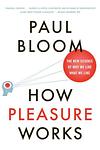
1. How Pleasure Works
The New Science of Why We Like What We Like
The book explores the intriguing concept of why humans derive pleasure from certain activities, objects, and experiences. It delves into the psychological and evolutionary underpinnings of pleasure, arguing that it is not merely about the physical or sensory attributes of things, but rather how we perceive their essence or deeper nature. The author uses a range of examples from food and art to sex and sports, demonstrating how our enjoyment is often shaped by our beliefs about the history and origin of what we are consuming, as well as by our innate and culturally influenced tastes. This insightful analysis reveals the complex interplay between the mind, culture, and the biological roots of pleasure.
The 17165th Greatest Book of All TimePurchase from Amazon -
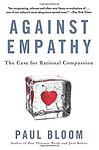
2. Against Empathy
The Case for Rational Compassion
The book argues that empathy, often seen as a virtue, can actually lead to biased and irrational decision-making. The author suggests that empathy can cloud judgment and result in actions that are unfair or harmful, as it tends to focus on individuals rather than broader, more objective considerations. Instead, the book advocates for a more rational and compassionate approach to moral decision-making, emphasizing the importance of reason and understanding over emotional responses. Through various examples and research, the author challenges the conventional belief that empathy is essential for moral behavior, proposing that a more detached perspective can lead to better outcomes for society.
-
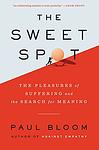
3. The Sweet Spot
The Pleasures of Suffering and the Search for Meaning
The book explores the intriguing concept that life's most fulfilling experiences often arise from a blend of pleasure and pain. It delves into the psychological and philosophical aspects of why humans are drawn to challenges, difficulties, and even suffering, suggesting that these elements can enhance our sense of meaning and satisfaction. Through a mix of scientific research, personal anecdotes, and philosophical insights, the book examines how embracing discomfort can lead to personal growth, deeper connections, and a more enriched life.
-
4. Just Babies
The Origins of Good and Evil

This insightful exploration delves into the origins of morality, examining whether humans are born with an innate sense of right and wrong or if these concepts are entirely shaped by culture and upbringing. Through a blend of psychological research, philosophical inquiry, and engaging anecdotes, the book argues that even infants possess a rudimentary moral compass, capable of distinguishing between good and bad actions. It challenges the notion that morality is solely a product of socialization, suggesting instead that our ethical instincts are deeply rooted in our evolutionary history, providing a fresh perspective on the nature of human goodness.
Purchase from Bookshop.org