Lisa Jardine
Lisa Jardine was a British historian of the early modern period. She was known for her work on the history of science, literature, and culture, and served as a professor at Queen Mary University of London. Jardine was also a prolific author and broadcaster, contributing significantly to public understanding of history.
Books
This list of books are ONLY the books that have been ranked on the lists that are aggregated on this site. This is not a comprehensive list of all books by this author.
-
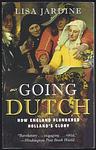
1. Going Dutch
How England Plundered Holland's Glory
"Going Dutch" explores the profound influence of Dutch culture and innovation on seventeenth-century England during the reign of William III and Mary II. The book delves into how the Glorious Revolution led to a significant transfer of intellectual and cultural ideas between the Dutch and the English. It examines the impact of this cross-cultural exchange on various aspects of British life, including art, science, trade, and politics, highlighting how Dutch expertise and practices were instrumental in transforming and modernizing England. The narrative provides a detailed analysis of the period, illustrating the lasting impact of Dutch influence on British society.
The 17173rd Greatest Book of All TimePurchase from Amazon -
2. Worldly Goods
A New History of the Renaissance

Set against the backdrop of the European Renaissance, this book delves into the intricate relationship between commerce and culture during this transformative period. It explores how the burgeoning trade networks and the rise of a wealthy merchant class fueled the spread of art, ideas, and innovation across the continent. Through vivid narratives and detailed accounts, the book illustrates how material wealth and the pursuit of worldly goods played a pivotal role in shaping the intellectual and artistic landscape of the time, highlighting the interconnectedness of economic prosperity and cultural flourishing.
-
3. Ingenious Pursuits
Building the Scientific Revolution
Set in Restoration London, the book traces how a lively circle of virtuosi and practitioners—including figures like Robert Hooke, Christopher Wren and Robert Boyle—turned private curiosity into systematic experimental inquiry, blending craftsmanship, commerce, civic ambitions and patronage. It follows the formation of networks and institutions such as the Royal Society, showing how instruments, correspondence, demonstrations and the demands of navigation, architecture and industry made scientific knowledge a public, collaborative, and practical enterprise rather than merely a speculative one.
Purchase from Bookshop.org