Gaston Bachelard
Gaston Bachelard was a French philosopher who made significant contributions to the philosophy of science, poetics, and the study of the imagination. He is known for his works on the epistemology of science and his exploration of the poetic imagination.
Books
This list of books are ONLY the books that have been ranked on the lists that are aggregated on this site. This is not a comprehensive list of all books by this author.
-
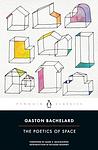
1. The Poetics Of Space
The Classic Look at How We Experience Intimate Places
"The Poetics of Space" explores the relationship between spaces and the human psyche, particularly focusing on the importance and symbolism of intimate spaces like houses, rooms, and corners. The book delves into the philosophy and psychology of architecture, using poetic imagery and phenomenology to examine how people experience and inhabit personal spaces. It argues that these spaces hold deep emotional significance and that understanding them can reveal insights about memory, imagination, and the essence of being. Through its analysis, the text invites readers to reconsider the ordinary environments of daily life as rich landscapes of poetic expression and emotional depth.
The 6616th Greatest Book of All TimePurchase from Bookshop.org or Amazon -
2. The Psychoanalysis Of Fire
This philosophical exploration delves into the symbolic and psychological significance of fire, examining its dual nature as both a creative and destructive force. Through a series of poetic reflections and psychoanalytic interpretations, the text investigates humanity's deep-seated fascination and complex relationship with fire, drawing connections between elemental forces and the human psyche. The work challenges readers to reconsider their perceptions of fire, not just as a physical phenomenon, but as a profound metaphor for passion, transformation, and the subconscious mind.
-
3. Eldens Psykoanalys

In this profound exploration of the elemental force of fire, the author delves into the psychological and philosophical implications of humanity's relationship with this primal element. Through a series of reflective essays, the text examines how fire influences human imagination, dreams, and creativity, serving as a symbol of both destruction and renewal. The narrative weaves together insights from psychoanalysis, literature, and mythology to reveal the deep-seated connections between fire and the human psyche, offering a unique perspective on how this elemental force shapes our inner world and cultural expressions.