Simone Weil
Simone Weil was a French philosopher, mystic, and political activist. Her works encompass a wide range of topics, including philosophy, religion, politics, and social issues. Weil is known for her profound thoughts on suffering, compassion, and the human condition.
Books
This list of books are ONLY the books that have been ranked on the lists that are aggregated on this site. This is not a comprehensive list of all books by this author.
-
1. Waiting For God
This profound collection of essays and letters delves into the spiritual and philosophical reflections of a deeply introspective thinker. Through a series of contemplative writings, the author explores themes of faith, love, and the human condition, offering a unique perspective on the nature of God and the soul's longing for divine connection. The work is characterized by its blend of intellectual rigor and heartfelt sincerity, inviting readers to ponder the intersection of personal suffering and spiritual enlightenment. The author's insights are both challenging and illuminating, providing a rich tapestry of thought that encourages introspection and a deeper understanding of one's place in the universe.
The 2522nd Greatest Book of All TimePurchase from Bookshop.org or Amazon -
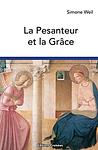
2. La Pesanteur Et La Grâce
This profound collection of essays and reflections delves into the intricate relationship between the human soul and the divine, exploring themes of suffering, beauty, and the nature of grace. The author examines the tension between the material and spiritual worlds, emphasizing the importance of detachment and humility in the pursuit of truth and goodness. Through a blend of philosophical inquiry and spiritual insight, the work invites readers to contemplate the transformative power of grace in overcoming the weight of existence, ultimately offering a path towards spiritual enlightenment and inner peace.
The 4490th Greatest Book of All TimePurchase from Amazon -
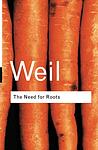
3. The Need For Roots
Prelude to a Declaration of Duties Towards Mankind
"The Need for Roots" is a profound exploration of the social and spiritual dislocation experienced in modern society. The book argues that uprootedness and alienation are the core problems plaguing contemporary civilization, leading to a loss of connection with community, tradition, and the environment. The author proposes that true remedies lie in the reestablishment of rootedness through the fulfillment of essential human needs such as order, liberty, and responsibility, which provide individuals with both stability and a sense of belonging. The work serves as a philosophical inquiry into the conditions necessary for human flourishing and a critique of the political and social structures that fail to nurture these conditions.
The 10308th Greatest Book of All TimePurchase from Bookshop.org or Amazon -
4. Simone Weil
An Anthology
This anthology is a comprehensive collection of writings by the French philosopher and political activist Simone Weil. It encompasses a wide range of her thoughts, covering topics from philosophy and spirituality to politics and ethics. The selections in the anthology highlight Weil's profound insights into the human condition, her exploration of the nature of truth and justice, and her deep commitment to empathy and compassion. Her reflections on oppression, liberty, and the need for social justice are particularly poignant, offering readers a rich perspective on the struggles and aspirations of the 20th century.
The 17161st Greatest Book of All TimePurchase from Amazon -
5. Letter To A Priest
In this thought-provoking and deeply introspective work, the author engages in a profound dialogue with a Catholic priest, exploring the intricacies of faith, spirituality, and the essence of religious belief. Through a series of reflective and candid letters, the author delves into the complexities of human suffering, the nature of God, and the role of the Church, challenging conventional religious dogma while seeking a deeper understanding of divine love and truth. This philosophical treatise invites readers to contemplate the intersection of personal conviction and institutional religion, offering a unique perspective on the spiritual journey.
Purchase from Bookshop.org -
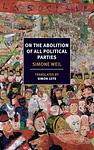
6. On The Abolition Of All Political Parties
In this thought-provoking essay, the author critiques the very essence of political parties, arguing that they inherently prioritize their own survival and power over the genuine pursuit of truth and justice. The text delves into the moral and ethical implications of party politics, suggesting that such organizations often lead to the suppression of individual thought and the manipulation of public opinion. By advocating for the abolition of political parties, the author envisions a political landscape where individuals are free to engage in authentic and unbiased discourse, ultimately fostering a more just and equitable society.
Purchase from Bookshop.org -
7. War And The Iliad
Reflections on the Iliad and the Nature of War

This profound work delves into the timeless themes of war and human suffering as depicted in the ancient epic, exploring the moral and philosophical dimensions of conflict. Through a critical examination of the characters and events, it highlights the destructive nature of power and the inevitable dehumanization that accompanies warfare. The narrative reflects on the futility of violence and the tragic fate of individuals caught in the relentless cycle of aggression, offering a poignant meditation on the enduring impact of war on the human spirit.
Purchase from Bookshop.org -
8. Intimations Of Christianity Among The Greeks
This profound exploration delves into the philosophical and spiritual intersections between ancient Greek thought and Christian theology, highlighting the subtle prefigurations of Christian ideas within Greek philosophy. Through a meticulous analysis of Greek myths, tragedies, and philosophical texts, the work uncovers the latent presence of Christian themes such as divine love, sacrifice, and redemption. It suggests that these ancient narratives and philosophies serve as precursors to Christian doctrine, offering a rich tapestry of insights that bridge the spiritual and intellectual traditions of Greece and early Christianity.
Purchase from Bookshop.org -
9. Carta A Un Religioso
A reflective exploration of the obstacles to entering the institutional Church, it argues for the primacy of truth, conscience, and pure love of God over obedience to authority and sacramental formalism. It questions dogmatic certainties, critiques the idolatry of institutions, and urges reverence for other religious traditions and for the afflicted. Through rigorous honesty and attention, it seeks a faith grounded in compassion and reality rather than belonging, proposing that genuine sanctity arises from humility, attention to suffering, and unconditioned love of the good.
-
10. Reflexiones Sobre Las Causas De La Libertad Y De La Opresión Social
A probing examination of why modern societies reproduce domination even when they aim for emancipation, arguing that oppression stems less from personal malice than from impersonal structures—economic systems, technical organization, and bureaucratic routines—that subject people to the logic of force. It critiques both capitalist and orthodox socialist models, showing how the cult of efficiency and centralization ensnares rulers and workers alike. The work emphasizes that true liberty depends on recognizing limits, meeting concrete human needs, and reshaping institutions to foster responsibility and meaningful work. It ultimately proposes decentralization and the primacy of obligations over abstract rights as the basis for a humane social order.
-
11. The Power Of Words
A rigorous meditation on how language shapes thought and action, arguing that words often detach from reality to become idols that fuel collective passions, political myths, and moral blindness. It dissects the empty power of slogans and abstractions, showing how they obscure concrete experience and enable manipulation and oppression. The work ultimately calls for intellectual honesty, precise definitions, and patient attention as ethical practices capable of restoring a truthful relationship between language and the world.