Andrew Lang
Andrew Lang was a Scottish poet, novelist, and literary critic, best known for his collections of fairy tales known as 'Lang's Fairy Books.' He was also a prolific writer on anthropology, history, and folklore.
Books
This list of books are ONLY the books that have been ranked on the lists that are aggregated on this site. This is not a comprehensive list of all books by this author.
-
1. Theocritus, Bion And Moschus
Rendered into English Prose
This book is a collection of poetic works by the ancient Greek poets Theocritus, Bion, and Moschus, translated into English by Andrew Lang. Theocritus, known as the father of pastoral poetry, presents idyllic scenes of rural life and love, often in the form of dialogues between shepherds. Bion and Moschus continue this tradition, focusing on themes of nature, mythology, and lamentation. Lang's translations aim to preserve the lyrical beauty and emotional depth of the original Greek texts, making these ancient pastoral poems accessible and enjoyable to a modern audience.
The 14363rd Greatest Book of All TimePurchase from Amazon -
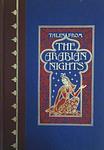
2. Tales From The Arabian Nights
Stories of Adventure, Magic, and Romance
This enchanting collection of stories transports readers to a world of magic, adventure, and intrigue, where the clever Scheherazade spins captivating tales to delay her execution by a vengeful king. Each night, she weaves a new story filled with genies, mythical creatures, and daring heroes, captivating the king with her wit and imagination. Through her storytelling, themes of love, betrayal, and redemption unfold, showcasing the rich tapestry of Middle Eastern folklore and the timeless power of narrative to transform and heal.
The 17094th Greatest Book of All Time -
3. A Short History Of Scotland
The book provides a concise overview of Scotland's history, tracing its development from ancient times through the early 20th century. It covers key events, figures, and cultural shifts that have shaped the nation, including the influence of the Romans, the formation of the Scottish kingdom, the Wars of Independence, and the eventual union with England. The narrative highlights the struggles for power, religious conflicts, and the impact of political alliances, offering insights into the social and political evolution of Scotland over the centuries.
-
4. The Book Of Dreams And Ghosts

This intriguing collection delves into the mysterious realms of dreams and the supernatural, weaving together a tapestry of eerie tales and ghostly encounters from various cultures and historical periods. Through a series of captivating narratives, the book explores the thin veil between the waking world and the spectral, offering readers a glimpse into the enigmatic experiences that have haunted humanity's imagination for centuries. Each story is meticulously curated to evoke a sense of wonder and curiosity, inviting readers to ponder the unexplained phenomena that linger just beyond the edge of reality.
Purchase from Bookshop.org -
5. The Library
-
6. Letters To Dead Authors
A witty, learned series of imagined letters addressed to deceased writers that blends literary criticism, biography and personal reflection; through anecdote, close reading and gentle satire the narrator reassesses reputations, praises strengths and points out flaws, offering readable judgments on craft, influence and the changing tastes that shape how great books are remembered.
Purchase from Bookshop.org -
7. Books And Bookmen
A lively collection of essays offering literary criticism, reminiscences and anecdotes about writers, publishing, and the pleasures (and oddities) of book collecting; the pieces mix informed scholarship with wit and personal observation to examine particular authors and works, discuss the habits of readers and bibliophiles, and reflect on the changing tastes and institutions that shape literary life.
Purchase from Bookshop.org -
Purchase from Bookshop.org
-
9. Historical Mysteries
A collection of lucid, inquisitive essays that investigate a range of puzzling episodes from the past, weighing contemporary accounts, folklore and documentary evidence to separate legend from likelihood. The writer moves between detective-like scrutiny and literary narrative, reassessing well-known tales, examining disputed identities and apparently inexplicable events, and showing how gaps in sources and human error produce enduring puzzles. The overall aim is not to offer sensational solutions but to demonstrate how careful historical reasoning can clarify — and sometimes deepen — our sense of the mysterious in history.
Purchase from Bookshop.org -
10. The Puzzle Of Dickens's Last Plot
A literary detective piece that examines the mystery surrounding Dickens’s final, unfinished narrative, reviewing contemporary reactions, manuscript evidence, and the cast of suspicious characters to assess competing theories about the intended outcome. The essay analyzes motives, narrative clues, and thematic patterns in the surviving chapters, weighing how authorial health, publication history, and public expectation shaped both the work and the speculation around it. Ultimately it argues that while a definitive solution remains elusive, careful close reading and attention to Dickensian methods can narrow the most likely resolutions and illuminate the novelist’s broader artistic aims.
Purchase from Bookshop.org -
11. Adventures Among Books
A warm, anecdotal collection of essays in which a lifelong bibliophile recounts visits to libraries, bookshops, and private collections, describes rare and curious volumes and the eccentric habits of collectors, and reflects on the history, lore, and pleasures of printing, acquisition, and preservation—mixing learned bibliography with personal reminiscence and wry, conversational humor.
Purchase from Bookshop.org -
12. Fifty Strangest Stories Ever Told
A compact anthology of fifty brief accounts of the uncanny and supernatural drawn from folklore, travel lore, newspaper reports, and oral tradition, presenting ghostly visitations, eerie coincidences, grotesque transformations, and other odd phenomena that range from the macabre to the whimsical. Aimed at general readers with a taste for the marvelous, the pieces foreground atmosphere and anecdote over explanation, showcasing culturally varied ways people have explained or embellished the inexplicable. The collection reads like a curiosity cabinet—part entertainment, part moral tale—inviting readers to marvel at the strange and unsettling moments that punctuate ordinary life.
-
13. Myth Ritual And Religion, Volume 1
A collection of essays examining the close interplay between traditional stories, ceremonial practices, and popular religion across cultures; it uses comparative folklore, ethnographic examples, and classical sources to explore how myths and rituals arise, justify social customs, and express beliefs about sacrifice, totemism, ancestry, and creation. The work argues that rituals and narratives are mutually reinforcing—rituals often underpin and give meaning to myths while myths legitimize and perpetuate rites—and offers early anthropological reflections on the origins, functions, and transformations of religious practice.
Purchase from Bookshop.org -
14. Myth, Ritual & Religion Volume Two
A collection of comparative essays that surveys myths, rites, and religious beliefs from diverse peoples to trace how ritual practices, taboos, and supernatural explanations develop and persist across cultures; it examines topics such as totemism, ancestor worship, funeral customs, sacrificial rites, and the birth of gods and heroes, arguing for historical continuities and survivals from ‘primitive’ institutions into organized religion. The work combines literary readings of folk tales with anthropological observation and critical commentary to show how myth and ritual function socially and psychologically, and to suggest how religious forms transform as societies change.
Purchase from Bookshop.org -
15. Custom And Myth
Studies in Early Sociology and Folk-Lore
A compact collection of essays that explores how communal customs and everyday practices give rise to, preserve, and are reshaped by mythic stories; using comparative folklore and historical examples, it traces the transformation of rites, superstitions, and local beliefs into narrative forms, considers their persistence across cultures, and argues that myths function as living social explanations rather than mere fanciful tales. The tone mixes critical inquiry with sympathetic description, seeking natural or cultural origins for magical and miraculous traditions while showing how myths satisfy human needs for meaning and continuity.
Purchase from Bookshop.org -
16. Man In The Iron Mask
Set in seventeenth-century France under an absolute and increasingly despotic monarch, the story follows the discovery that a mysterious prisoner, forced to wear an iron mask, is the king’s secret twin; the aging musketeer d'Artagnan and his former companions become embroiled in a desperate plot to replace the tyrant with his more virtuous brother, a plan that tests their loyalty, honor and friendship and ultimately collapses into tragedy and bitter reflection on power, identity and the costs of restoring justice.
-
17. Magic And Religion
A comparative study of the origins, practices and social functions of magical rites and religious belief, arguing that magic consists primarily of ritual techniques intended to control or influence the world while religion centers on relationships with supernatural persons and moral authority. Using ethnographic and folkloric examples, it traces animistic, fetishistic and totemistic survivals, contrasts the roles of sorcerer and priest, and examines how ritual, sacrifice and myth evolve as societies change—showing how early attempts to manipulate the unseen gradually became systems of faith, morality and communal worship.
Purchase from Bookshop.org -
18. The Origin Of Totem And Beliefs
A concise study of how totemic systems and related religious ideas develop from social and psychological roots, arguing that clan identity, naming practices, taboos, rituals and ancestor veneration transform practical kinship ties and interactions with animals and plants into structured symbolic systems; the work surveys cross-cultural examples and historical speculation to show how animistic tendencies and social organization give rise to myths, ceremonies and enduring beliefs.
-
Purchase from Bookshop.org