Salvador Dali
Salvador Dalí was a prominent Spanish surrealist artist known for his eccentric and imaginative works. His most famous painting, 'The Persistence of Memory,' features melting clocks in a dreamlike landscape. Dalí's unique style and flamboyant personality made him one of the most recognizable figures in 20th-century art.
Books
This list of books are ONLY the books that have been ranked on the lists that are aggregated on this site. This is not a comprehensive list of all books by this author.
-
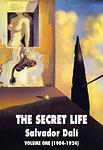
1. The Secret Life Of Salvador Dali
The Autobiography of the Surrealist Genius
"The Secret Life of Salvador Dalí" is an autobiography that offers an intriguing glimpse into the mind and life of the renowned surrealist artist. Written by Dalí himself, the book explores his early years, his rise to fame, and the development of his eccentric and flamboyant persona. Through vivid, often bizarre anecdotes and reflections, Dalí shares his thoughts on art, his obsessions, and his relationships with other famous figures of the 20th century. The narrative is characterized by its imaginative prose and the artist’s characteristic blend of arrogance and insight, providing a unique perspective on his creative genius and complex personality.
The 10311th Greatest Book of All TimePurchase from Bookshop.org or Amazon -
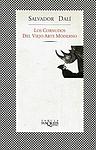
2. Los Cornudos Del Viejo Arte Moderno
The book is a provocative exploration of the avant-garde art movement, critiquing and satirizing the modern art scene of the early 20th century. Through a blend of surrealism and sharp wit, it delves into the absurdities and contradictions within the art world, challenging the authenticity and originality of contemporary artists and their works. The narrative is infused with the author's unique perspective, offering a critical yet humorous examination of the cultural and artistic trends of the time.
-
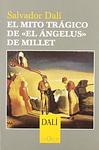
3. El Mito Trágico De «El ángelus» De Millet
Interpretación Paranoico-Crítica de la Obra Maestra de Millet
The book delves into Salvador Dalí's interpretation of Jean-François Millet's painting "The Angelus," exploring the hidden psychological and symbolic meanings behind the artwork. Dalí presents a surreal analysis, suggesting that the painting harbors themes of repressed sexuality and death, which he believes are masked by its seemingly innocent depiction of rural life. Through a blend of psychoanalytic theory and personal insight, Dalí challenges conventional perceptions of the painting, offering a provocative reimagining that reflects his own artistic and philosophical perspectives.