Hassan Fathy
Hassan Fathy was a renowned Egyptian architect known for his innovative and sustainable approach to architecture, particularly his use of traditional materials and techniques. He is best known for his work on the village of New Gourna, which aimed to provide affordable and sustainable housing for the poor.
Books
This list of books are ONLY the books that have been ranked on the lists that are aggregated on this site. This is not a comprehensive list of all books by this author.
-
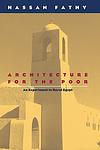
1. Architecture For The Poor
An Experiment in Rural Egypt
"Architecture for the Poor" is a book that describes an innovative approach to building in impoverished communities, focusing on the use of sustainable, cost-effective materials and methods that are culturally and environmentally appropriate. The author, an Egyptian architect, advocates for the use of traditional building techniques, particularly mud brick, and emphasizes the importance of involving the community in the building process. This approach not only helps to reduce costs but also empowers the residents, fostering a sense of pride and ownership. The book is both a critique of modern urban planning and a call to rethink architectural practices to better serve the needs of the poorest members of society.
The 10891st Greatest Book of All TimePurchase from Bookshop.org or Amazon -
2. Gourna
A Tale of Two Villages

Set against the backdrop of post-war Egypt, this insightful work delves into the transformative journey of a visionary architect who seeks to revolutionize rural housing. Through a blend of traditional techniques and innovative design, the narrative explores the challenges and triumphs faced in creating sustainable, affordable homes for a displaced community. The story highlights the importance of cultural heritage, community involvement, and the harmonious integration of architecture with the natural environment, offering a profound reflection on the intersection of tradition and modernity.
-
3. Natural Energy And Vernacular Architecture
Principles and Examples with Reference to Hot Arid Climates
This insightful work delves into the harmonious relationship between traditional architectural practices and the natural environment, emphasizing the importance of utilizing local materials and climate-responsive designs. It explores how ancient building techniques, rooted in cultural heritage, can be adapted to modern needs while promoting sustainability and energy efficiency. Through a series of case studies and analyses, the book advocates for a return to vernacular architecture as a means to create structures that are not only functional and aesthetically pleasing but also environmentally conscious and economically viable.