Richard A. Posner
Richard Allen Posner is an American jurist and economist who served as a judge on the United States Court of Appeals for the Seventh Circuit from 1981 until his retirement in 2017. He is a leading figure in the field of law and economics and has authored numerous books and articles on a wide range of legal topics.
Books
This list of books are ONLY the books that have been ranked on the lists that are aggregated on this site. This is not a comprehensive list of all books by this author.
-
1. Overcoming Law
"Overcoming Law" is a critical exploration of the legal system, offering a comprehensive analysis that challenges traditional legal theories and practices. The book advocates for a pragmatic approach to law, emphasizing the importance of real-world consequences and interdisciplinary methods in legal reasoning. Through a series of essays, the author critiques the constraints of formalist methodologies and argues for a more flexible, adaptive legal system that responds effectively to the complexities of contemporary society. The work encourages legal professionals to incorporate insights from various fields such as economics, psychology, and literature to enrich their understanding and application of the law.
The 12326th Greatest Book of All TimePurchase from Bookshop.org or Amazon -
2. An Affair Of State
The Investigation, Impeachment, and Trial of President Clinton
"An Affair of State" delves into the scandal and subsequent impeachment of President Bill Clinton, focusing on the legal and ethical dimensions of his affair with Monica Lewinsky and the investigations led by Independent Counsel Kenneth Starr. The book critically examines the actions of the key players involved, the political and judicial processes, and the broader implications for the American legal system and presidential power. The author, a prominent legal scholar and judge, provides a detailed analysis of the constitutional, moral, and procedural controversies surrounding the case, arguing for a reevaluation of the intersection between private morality and public office.
The 12326th Greatest Book of All TimePurchase from Bookshop.org or Amazon -
3. How Judges Think
None
This insightful work delves into the cognitive processes and influences that shape judicial decision-making, challenging the traditional view of judges as mere interpreters of the law. It explores the multifaceted nature of judicial behavior, highlighting the interplay between legal principles, personal beliefs, and external pressures. By examining the pragmatic and often unpredictable nature of judicial reasoning, the book offers a nuanced understanding of how judges navigate complex legal landscapes, balancing the demands of justice, precedent, and societal expectations.
-
4. A Failure Of Capitalism
The Crisis of '08 and the Descent into Depression
This insightful analysis delves into the causes and consequences of the 2008 financial crisis, arguing that the meltdown was not merely a result of isolated mistakes or regulatory failures, but rather a systemic failure of capitalism itself. The book critiques the prevailing economic theories and the laissez-faire approach that dominated policy-making, suggesting that the crisis was exacerbated by a lack of adequate regulation and oversight. It calls for a reevaluation of economic policies and a more balanced approach to market regulation to prevent future financial disasters.
-
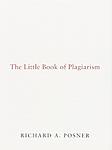
5. The Little Book Of Plagiarism
What It Is and How to Avoid It
This insightful exploration delves into the complex world of plagiarism, examining its historical roots, ethical implications, and the evolving legal landscape surrounding it. The narrative unravels the fine line between inspiration and theft, offering a nuanced perspective on how societal norms and technological advancements have shaped our understanding of intellectual property. Through a blend of legal analysis and cultural commentary, the book challenges readers to reconsider preconceived notions about originality and creativity in an age where information is more accessible than ever.
-
6. Economic Analysis Of Law
None

This seminal work explores the intersection of economics and legal principles, offering a comprehensive analysis of how economic theories can be applied to understand and predict the effects of legal rules and institutions. It delves into various areas of law, including property, contracts, torts, and criminal law, illustrating how economic efficiency and wealth maximization can serve as guiding principles in legal decision-making. The book emphasizes the role of incentives and market forces in shaping legal outcomes, providing a framework for evaluating the effectiveness and fairness of legal systems.