Reyner Banham
Reyner Banham was an influential British architectural critic and writer, known for his works on modern architecture and urbanism. He authored several important books, including 'Theory and Design in the First Machine Age' and 'Los Angeles: The Architecture of Four Ecologies.' Banham's writings often explored the relationship between technology, architecture, and culture.
Books
This list of books are ONLY the books that have been ranked on the lists that are aggregated on this site. This is not a comprehensive list of all books by this author.
-
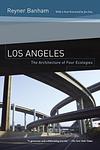
1. Los Angeles
The Architecture of Four Ecologies
"Los Angeles" is a comprehensive exploration of the architectural and cultural landscape of Los Angeles, offering an in-depth analysis of its unique urban layout and iconic built environment. The book delves into the city's development, examining how the interplay of geography, climate, and technology has shaped its distinctive sprawl and auto-dependency. Through a series of thematic chapters, the author provides insights into the city's major architectural sites and styles, from the famous beachfronts to the expansive suburbs, highlighting how Los Angeles has often been at the forefront of architectural innovation and urban planning.
The 17165th Greatest Book of All TimePurchase from Amazon -
2. William Morris And The Middle Ages

This insightful exploration delves into the profound influence of medieval art and culture on the works and philosophy of a prominent 19th-century British designer, poet, and socialist. The narrative examines how the ideals and aesthetics of the Middle Ages shaped his vision for art, architecture, and society, emphasizing a return to craftsmanship and community values in response to the industrialization of his time. Through a detailed analysis, the book highlights the enduring legacy of medieval inspiration in his quest to merge beauty with utility, advocating for a harmonious blend of past and present in the pursuit of a more equitable and aesthetically pleasing world.
-
3. The Architecture Of The Well Tempered Environment
The Architecture of the Well-Tempered Environment
This insightful work explores the intricate relationship between architecture and environmental control systems, emphasizing the importance of integrating technology into building design to create comfortable and efficient spaces. It delves into the evolution of heating, ventilation, and air conditioning systems, examining how these elements have shaped architectural practices and the built environment. By highlighting the often-overlooked role of mechanical services in architecture, the book challenges traditional notions of design, advocating for a more holistic approach that considers both aesthetic and functional aspects of buildings.
Purchase from Bookshop.org -
4. Megastructure
Urban Futures of the Recent Past
This insightful exploration delves into the architectural and urban design movement that emerged in the mid-20th century, characterized by large-scale, flexible structures that could accommodate various functions and adapt to changing needs. It examines the visionary ideas and innovative concepts that sought to redefine the relationship between architecture and society, emphasizing modularity, prefabrication, and the integration of technology. The narrative highlights the influence of these ambitious projects on contemporary urban planning and architecture, while also reflecting on the challenges and limitations faced by these grand designs.
Purchase from Bookshop.org -
5. Theory And Design In The First Machine Age
The Architectural Culture of the 1920s
This seminal work explores the intersection of architecture, design, and technology during the early 20th century, a period marked by rapid industrialization and the rise of modernism. It delves into the transformative impact of machines and new materials on architectural theory and practice, highlighting the shift from traditional craftsmanship to mass production. The book examines the contributions of key figures and movements that shaped the era, offering insights into how technological advancements influenced aesthetic and functional aspects of design, ultimately redefining the built environment.
Purchase from Bookshop.org