William Cronon
William Cronon is a prominent environmental historian and professor, known for his work on the American West and the relationship between humans and the natural world. He has authored several influential books, including 'Changes in the Land' and 'Nature's Metropolis.'
Books
This list of books are ONLY the books that have been ranked on the lists that are aggregated on this site. This is not a comprehensive list of all books by this author.
-
1. Nature’s Metropolis
Chicago and the Great West
"Nature's Metropolis" explores the dynamic relationship between Chicago and its surrounding rural hinterland in the 19th century, illustrating how the city served as a pivotal hub in the development of the American West. The book delves into the economic and ecological transformations driven by Chicago's rise, examining how it became a central market and transit point for commodities like lumber, grain, and meat. Through detailed analysis, the work reveals the complex interdependencies between urban and rural environments, showing how the city's growth was intrinsically linked to the exploitation and management of natural resources, ultimately shaping the broader American landscape and economy.
The 17169th Greatest Book of All TimePurchase from Amazon -
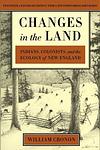
2. Changes In The Land, Revised Edition
Indians, Colonists, and the Ecology of New England
The book examines the ecological transformation of New England from the pre-colonial period through the early colonial era, focusing on the interactions between Native American and European settler societies. It explores how differing land use practices and economic systems led to significant changes in the landscape, flora, and fauna. The narrative highlights the impact of European colonization on the environment, including deforestation, the introduction of new species, and shifts in land ownership and resource management, ultimately reshaping the region's ecological and cultural landscape.
-
3. The Trouble With Wilderness
Or, Getting Back to the Wrong Nature

This insightful work challenges the conventional perception of wilderness as an untouched, pristine landscape separate from human influence. It argues that this romanticized view is a cultural construct that emerged in the 19th century, often overlooking the complex interactions between humans and nature throughout history. By deconstructing the myth of wilderness, the book encourages a more integrated understanding of the environment, emphasizing the need for sustainable coexistence and recognizing the role of human agency in shaping natural landscapes.
-
4. Uncommon Ground
Rethinking the Human Place in Nature
This insightful work delves into the complex and often contentious relationship between humans and nature, challenging the conventional perceptions of wilderness as untouched and pristine. Through a collection of essays, it explores how cultural, historical, and social factors shape our understanding and interaction with the natural world. By examining the ways in which nature is constructed and perceived, the book encourages readers to reconsider the boundaries between the natural and human-made environments, ultimately advocating for a more integrated and responsible approach to environmental stewardship.
Purchase from Bookshop.org