Robin D. G. Kelley
Robin D.G. Kelley is an American historian and academic, known for his work in African-American studies and his contributions to the fields of social movements, jazz, and cultural studies. He is a professor of American History at UCLA and has authored several influential books.
Books
This list of books are ONLY the books that have been ranked on the lists that are aggregated on this site. This is not a comprehensive list of all books by this author.
-
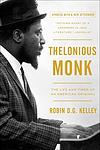
1. Thelonious Monk
The Life and Times of an American Original
This biography delves into the life and music of Thelonious Monk, a pivotal figure in the jazz world, revealing the complexities of his character and his creative genius. Drawing on a wealth of documents and interviews, the book paints a detailed portrait of Monk's often challenging life, from his struggles with mental health and financial instability to his rich family life and his profound impact on the evolution of jazz. The author meticulously explores how Monk's unique style and compositions, characterized by dissonant harmonies and innovative rhythms, pushed the boundaries of jazz, earning him both critical acclaim and a lasting legacy in music history.
The 17165th Greatest Book of All TimePurchase from Amazon -
2. Race Rebels
Culture, Politics, and the Black Working Class

A concise recovery of the hidden history of Black working-class militants and everyday resistors in twentieth-century America, arguing that opposition to racial oppression developed as a distinctive political and cultural tradition outside mainstream civil-rights leadership. Using oral histories, archival evidence, and cultural analysis, it shows how workers, organizers, artists, and informal networks—through strikes, community organizing, music, leisure, and other everyday practices—created solidarities and oppositional strategies that challenged both capitalism and Jim Crow, reshaping understandings of class, race, and political struggle.
Purchase from Bookshop.org -
3. Hammer And Hoe
Alabama Communists during the Great Depression
A richly researched study of African American workers in Alabama during the 1930s, it traces how Communist organizers and local black activists built interracial, working-class resistance to Jim Crow by organizing labor in factories and fields, shaping everyday culture, and forging new political identities. Drawing on archival sources and oral histories, the book shows how songs, language, churches, and unions became sites of radicalism and solidarity, complicating standard narratives of both labor history and the later civil rights movement.
Purchase from Bookshop.org -
4. Freedom Dreams
The Black Radical Imagination
A sweeping, interdisciplinary meditation on the Black radical imagination that traces how dreams, cultural practices, and political struggles have fueled visions of social transformation from the 19th century to the late 20th, arguing that art, music, literature, and grassroots movements have together produced powerful blueprints for liberation. Drawing on history, cultural criticism, and political theory, the book examines figures and movements — from Garveyism and Du Bois to the New Left and the Black Panthers — to show how hope, creativity, and collective memory can contest capitalism, racism, and state power while pointing toward democratic, socialist, and feminist alternatives. It emphasizes the importance of alliances, youth and women’s leadership, and the everyday practices that sustain radical possibility, offering both a critique of limiting pragmatic politics and a spirited defense of imaginative futures as essential to meaningful social change.
Purchase from Bookshop.org