Barry Schwartz
Barry Schwartz is an American psychologist and professor of Social Theory and Social Action at Swarthmore College. He is known for his research on the paradox of choice and the impact of excessive options on human well-being.
Books
This list of books are ONLY the books that have been ranked on the lists that are aggregated on this site. This is not a comprehensive list of all books by this author.
-
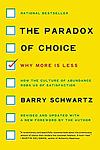
1. The Paradox Of Choice
Why More Is Less
The book explores how the abundance of choices in modern society, while seemingly beneficial, can actually lead to greater anxiety, dissatisfaction, and indecision. The author argues that having too many options can overwhelm individuals, leading them to worry about making the wrong decision and ultimately feeling less happy. The book discusses strategies for simplifying decision-making processes and emphasizes the importance of setting limits on choice to increase satisfaction and reduce stress.
-
2. Anleitung Zur Unzufriedenheit
Warum weniger mehr ist

This insightful book delves into the paradox of choice, exploring how the abundance of options in modern society can lead to dissatisfaction and anxiety rather than happiness. It examines the psychological impact of having too many choices, suggesting that while freedom and autonomy are often seen as pathways to fulfillment, they can also result in decision paralysis and regret. By analyzing the balance between choice and satisfaction, the book offers practical advice on how to navigate decision-making processes to enhance well-being and contentment.
-
3. Why We Work
This book argues that people’s motivation at work is driven far more by meaning, autonomy, and being treated with dignity than by pay or external incentives alone; drawing on psychology, interviews, history, and public-policy examples, it shows how modern organizations and markets often undermine meaningful work through rigid incentives, excessive focus on efficiency, and devaluation of everyday jobs, and it recommends redesigning institutions—through management practices, workplace culture, and policy changes such as shorter workweeks and greater worker voice—to restore purpose, improve performance, and enhance individual and social well-being.
Purchase from Bookshop.org