Robert J. Shiller
Robert James Shiller is an American economist, academic, and best-selling author. He is a Sterling Professor of Economics at Yale University and a fellow at the Yale School of Management's International Center for Finance. Shiller was awarded the Nobel Memorial Prize in Economic Sciences in 2013 for his empirical analysis of asset prices.
Books
This list of books are ONLY the books that have been ranked on the lists that are aggregated on this site. This is not a comprehensive list of all books by this author.
-
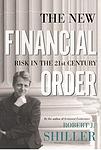
1. The New Financial Order
Risk in the 21st Century
"The New Financial Order" explores innovative risk management ideas and tools that can be used to tackle economic inequality and improve financial stability. The book delves into the concept of using modern financial technology to spread and diversify risk in society, proposing solutions such as livelihood insurance, intergenerational social security, and better global financial infrastructure. The author argues that these mechanisms can protect individuals from the risks associated with changes in national economies, career paths, and other uncertainties, ultimately leading to a more secure and equitable economic future.
-
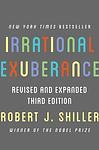
2. Irrational Exuberance
This insightful work delves into the psychological and economic factors that drive speculative bubbles in financial markets, exploring how irrational behavior and herd mentality can lead to unsustainable asset price inflation. Through a detailed analysis of historical market trends and investor behavior, the book highlights the dangers of overconfidence and the influence of media and cultural factors on investment decisions. It serves as a cautionary tale, urging investors and policymakers to recognize the signs of exuberance and implement measures to mitigate the risks associated with market volatility.
-
3. Narrative Economics
How Stories Go Viral and Drive Major Economic Events

This insightful book delves into the powerful role that popular stories and narratives play in shaping economic behavior and influencing financial markets. It explores how certain narratives, whether true or not, can spread like viruses, impacting consumer confidence, investment decisions, and policy-making. By examining historical and contemporary examples, the book highlights the importance of understanding these narratives to better predict economic trends and address challenges. It argues for a new approach to economic analysis that incorporates the study of these influential stories to gain a more comprehensive understanding of economic phenomena.
Purchase from Bookshop.org