Karl Schlögel
Karl Schlögel is a German historian and author known for his works on Eastern Europe and the Soviet Union. He has written extensively on the cultural and social history of the region, and his books often explore the intersections of geography, history, and politics.
Books
This list of books are ONLY the books that have been ranked on the lists that are aggregated on this site. This is not a comprehensive list of all books by this author.
-
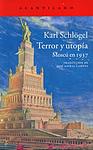
1. Terror Y Utopía
Moscú en 1937
The book delves into the tumultuous period of the Soviet Union during the 1930s, exploring the dual forces of terror and utopian aspirations that defined the era. It meticulously examines the lives of ordinary citizens and the impact of Stalinist policies, highlighting the stark contrasts between the regime's brutal repression and its visionary projects for societal transformation. Through a detailed narrative, the author provides a comprehensive analysis of how these conflicting dynamics shaped the Soviet experience, offering insights into the complexities of life under a totalitarian regime.
The 9658th Greatest Book of All TimePurchase from Bookshop.org or Amazon -
2. Moscow, 1937
Stalin's Year of Terror

Set against the backdrop of a city teetering on the brink of transformation, this historical narrative delves into the intricate tapestry of Moscow during a pivotal year marked by political purges, cultural vibrancy, and societal upheaval. Through a meticulous examination of the everyday lives of its citizens, the book paints a vivid portrait of a metropolis caught in the throes of Stalin's Great Terror, juxtaposing the stark realities of fear and repression with the resilience and creativity that flourished amidst the chaos. It offers a compelling exploration of how ordinary people navigated the complexities of a rapidly changing world, capturing the essence of a city at the crossroads of history.
Purchase from Bookshop.org -
3. Entscheidung In Kiew
Ukrainische Lektionen
Set against the backdrop of Ukraine's tumultuous history, this insightful narrative delves into the intricate political and cultural dynamics that have shaped the nation's identity and its pivotal role in the broader geopolitical landscape. Through a meticulous examination of historical events, the book explores the complex interplay between Eastern and Western influences, highlighting the enduring struggle for sovereignty and self-determination. It offers a nuanced perspective on the challenges and opportunities faced by Ukraine as it navigates its path towards a stable and independent future, making it an essential read for those seeking to understand the region's past and present.
-
4. En El Espacio Leemos El Tiempo
Sobre Historia Civilizacional
In this insightful exploration, the author delves into the intricate relationship between geography and history, illustrating how the spatial dimensions of our world shape the unfolding of historical events. Through a series of compelling narratives, the book reveals how landscapes, cities, and borders are not just passive backdrops but active participants in the drama of human history. By examining various case studies, the author demonstrates how understanding the spatial context can provide a deeper comprehension of historical processes, offering readers a fresh perspective on the interconnectedness of time and space.