Joseph Stiglitz
Joseph Eugene Stiglitz is an American economist and a professor at Columbia University. He is a recipient of the Nobel Memorial Prize in Economic Sciences (2001) and is known for his critical view of globalization and free-market economics. Stiglitz has also served as the Chief Economist of the World Bank and is a former member of the Council of Economic Advisers.
Books
This list of books are ONLY the books that have been ranked on the lists that are aggregated on this site. This is not a comprehensive list of all books by this author.
-
1. The Great Divide
Unequal Societies and What We Can Do About Them
The book explores the growing economic inequality in the United States, examining the factors that have led to a widening gap between the wealthy and the rest of the population. It delves into the policies and systemic issues that have contributed to this divide, such as deregulation, tax cuts for the rich, and the erosion of social safety nets. The author argues that this inequality is not only a moral issue but also a threat to democracy and economic stability. He advocates for policy changes that promote fairness and shared prosperity, including progressive taxation, stronger labor rights, and increased investment in education and infrastructure.
The 8976th Greatest Book of All TimePurchase from Bookshop.org or Amazon -
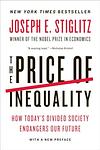
2. The Price Of Inequality
How Today's Divided Society Endangers Our Future
This insightful book delves into the growing economic disparity in the United States, exploring how the concentration of wealth and power among the elite undermines democracy and economic stability. It argues that inequality is not an inevitable result of economic forces but rather a consequence of policies that favor the wealthy, leading to a system that perpetuates privilege and stifles opportunity for the majority. The narrative highlights the detrimental effects of this imbalance on society, advocating for reforms that promote fairness, inclusivity, and shared prosperity to ensure a more equitable future for all citizens.
-
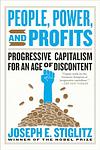
3. People, Power, And Profits
Progressive Capitalism for an Age of Discontent
This insightful book delves into the intricate dynamics of modern capitalism, exploring how the concentration of power and wealth in the hands of a few has led to economic inequality and social injustice. It argues for a reimagined economic system that prioritizes the well-being of the broader population over the interests of the elite. Through a blend of historical analysis and contemporary examples, the book advocates for policies that promote fair competition, innovation, and shared prosperity, emphasizing the need for a more equitable distribution of resources and opportunities to ensure a thriving and sustainable future for all.
Purchase from Bookshop.org -
4. Freefall
America, Free Markets, and the Sinking of the World Economy

In this incisive analysis, the author delves into the causes and consequences of the 2008 global financial crisis, critiquing the failures of economic policies and regulatory systems that led to the collapse. The narrative explores the interplay between greed, deregulation, and flawed economic ideologies that fueled the crisis, while also offering a roadmap for reform to prevent future economic disasters. Through a blend of economic theory and real-world examples, the book advocates for a more equitable and sustainable financial system, emphasizing the need for accountability, transparency, and a rethinking of market fundamentalism.
Purchase from Bookshop.org -
5. Globalization And Its Discontents Revisited
Anti-Globalization in the Era of Trump
This insightful work revisits the author's earlier critiques of globalization, providing a comprehensive analysis of how international economic policies have evolved over the years. It delves into the consequences of globalization on developing nations, highlighting the failures of international financial institutions and the adverse effects of austerity measures. The book emphasizes the need for reform in global economic governance, advocating for policies that prioritize equitable growth and social justice, while offering a hopeful vision for a more inclusive and sustainable global economy.
Purchase from Bookshop.org -
6. The Stiglitz Report
Reforming the International Monetary and Financial Systems in the Wake of the Global Crisis
This insightful analysis delves into the global financial crisis of 2008, examining its causes and the systemic failures that led to widespread economic turmoil. The report offers a comprehensive critique of the existing financial systems and the policies that exacerbated the crisis, advocating for significant reforms to prevent future economic disasters. It emphasizes the need for greater transparency, accountability, and regulation within financial institutions, while also addressing issues of inequality and the importance of sustainable development. The work serves as a call to action for policymakers to implement changes that promote economic stability and fairness on a global scale.
Purchase from Bookshop.org -
Purchase from Bookshop.org
-
8. Die Roaring Nineties
A New History of the World's Most Prosperous Decade
A brisk, critical account of the 1990s American economic boom that credits genuine productivity gains from information technology but argues the era’s prosperity was overstated and uneven, driven in large part by speculative financial bubbles, deregulation, and policy choices that disproportionately benefited the wealthy; it explains how lax oversight, flawed market assumptions, and corporate and financial excesses produced instability and rising inequality and contends that different public policies could have made growth broader and more sustainable.
Purchase from Bookshop.org