Paul Ricœur
Paul Ricœur was a renowned French philosopher best known for his work in phenomenology, hermeneutics, and existentialism. His contributions to the field of philosophy include significant texts on the nature of human experience, narrative identity, and the interpretation of texts.
Books
This list of books are ONLY the books that have been ranked on the lists that are aggregated on this site. This is not a comprehensive list of all books by this author.
-
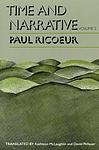
1. Time And Narrative (Time & Narrative)
This book explores the intricate relationship between time and narrative, delving into how human experiences of temporality are shaped and understood through storytelling. It examines the philosophical underpinnings of narrative theory, drawing on a wide range of literary and historical texts to illustrate how narratives construct and convey the passage of time. The work also engages with the ideas of prominent philosophers, offering a comprehensive analysis of how narrative structures influence our perception of time and history. Through this exploration, it reveals the profound impact that narrative has on our understanding of human existence and temporal reality.
The 17152nd Greatest Book of All TimePurchase from Amazon -
2. Time And Narrative, Volume 1
This philosophical work delves into the intricate relationship between time and narrative, exploring how stories shape our understanding of temporal experiences. It examines the ways in which narratives structure time, offering a framework for interpreting human existence and history. Through a detailed analysis of literary and historical texts, the book investigates the role of narrative in constructing meaning and identity, emphasizing the interplay between chronological time and the narrative time that emerges through storytelling. The exploration is rooted in a rich dialogue with both classical and contemporary thinkers, providing a profound insight into the human condition.
Purchase from Bookshop.org -
3. History And Truth

This thought-provoking work delves into the intricate relationship between historical events and the pursuit of truth, exploring how narratives shape our understanding of the past. It examines the tension between objective historical facts and the subjective interpretation of these events, arguing that truth in history is not merely a collection of facts but a dynamic interplay of memory, narrative, and interpretation. Through a philosophical lens, the book challenges readers to consider how history is constructed and the role of human agency in shaping historical narratives, ultimately questioning the possibility of achieving absolute truth in historical discourse.
Purchase from Bookshop.org -
4. Memory, History, Forgetting
This philosophical exploration delves into the intricate relationship between memory, history, and forgetting, examining how these elements shape human understanding and identity. It navigates the complex interplay between personal recollection and collective memory, questioning the reliability and ethical implications of remembering and forgetting. Through a critical analysis of historical narratives and their construction, the work challenges readers to consider the moral responsibilities associated with memory and the potential for both healing and harm in the act of remembering. The text ultimately seeks to illuminate the dynamic processes through which individuals and societies interpret and reconstruct the past.
Purchase from Bookshop.org -
5. Interpretacijos Teorija
Discourse and the Surplus of Meaning
This philosophical work delves into the intricate processes of interpretation and understanding, exploring how humans derive meaning from texts and symbols. It examines the dynamic interplay between the reader and the text, emphasizing the role of context, preconceptions, and cultural influences in shaping interpretation. The book also discusses the hermeneutic circle, where understanding is seen as a continuous, evolving process, and highlights the importance of dialogue and openness to multiple perspectives in the quest for deeper comprehension.
-
6. Oneself As Another
A philosophical examination of personal identity that treats the self as a dynamic interplay between sameness and selfhood, arguing that personhood is constituted through narrative, memory, action, and ethical relation to others; it develops a hermeneutic account showing how continuity over time depends on promises, responsibility, and recognition, and reframes subjectivity as a narrated, vulnerable capacity to answer and be accountable rather than an isolated, static substance.
Purchase from Bookshop.org