Ngũgĩ wa Thiong’o
Ngũgĩ wa Thiong'o is a renowned Kenyan writer and academic, known for his works in literature and his advocacy for African languages. He has written novels, plays, and essays, and is a prominent figure in post-colonial literature.
Books
This list of books are ONLY the books that have been ranked on the lists that are aggregated on this site. This is not a comprehensive list of all books by this author.
-
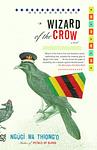
1. Wizard of the Crow
The book is a satirical exploration of a fictional African dictatorship, focusing on the rule of a despotic leader and the corruption and power struggles within his regime. Amidst this political turmoil, a self-proclaimed wizard and a rebellious young woman become entangled in the machinations of the state, and their actions ultimately challenge the status quo. The novel combines elements of magic realism with political satire, providing a critique of post-colonial African politics while also exploring themes of love, power, and resistance.
The 1648th Greatest Book of All TimePurchase from Bookshop.org or Amazon -
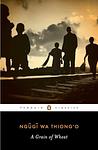
2. A Grain Of Wheat
"A Grain of Wheat" is a historical novel set in Kenya during the Mau Mau uprising against British colonial rule. The story follows a diverse cast of characters whose lives are intertwined by secrets, betrayals, and sacrifices. As Kenya prepares for independence, the book explores themes of nationalism, identity, and the complex aftermath of revolution. Through vivid storytelling, the author delves into the complexities of human nature and the struggle for freedom in a turbulent time.
The 2268th Greatest Book of All TimePurchase from Bookshop.org or Amazon -
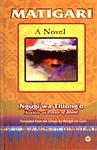
3. Matigari
"Matigari" is a novel set in a post-colonial African nation, where the protagonist, who is a freedom fighter, emerges from the forest after the country's liberation, intent on finding justice and peace. However, he finds a society still deeply entrenched in corruption and oppression. The narrative uses allegory and symbolism to explore themes of justice, truth, and the fight against inequality. The protagonist's quest for justice becomes a threat to the government, leading to a manhunt for a man who is merely a myth.
The 2813th Greatest Book of All TimePurchase from Amazon -
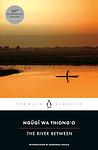
4. The River Between
"The River Between" explores the lives of the Gikuyu people living in the Kenyan highlands during the early days of white settlement. The novel focuses on the struggle between two villages, each with differing views on the encroaching influence of the Christian missionaries. The protagonist, a young man torn between the traditional values of his people and the new ideas brought by the missionaries, serves as a symbol of the larger conflict. The narrative delves into themes of love, cultural identity, religious conflict, and the struggle for independence.
The 3880th Greatest Book of All TimePurchase from Bookshop.org or Amazon -
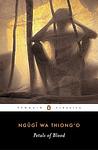
5. Petals of blood
This novel tells the story of four characters living in post-colonial Kenya, who are arrested for the murder of three prominent figures in their village. As the narrative unfolds, it explores their personal histories and how they are intertwined with the political, social, and economic transformations of the nation. The book is a critique of the corruption and inequality that emerged in Kenya after the end of colonial rule, and a call for a return to communal values and practices.
The 4261st Greatest Book of All TimePurchase from Bookshop.org or Amazon -
6. Decolonising The Mind
The Politics of Language in African Literature
The book explores the profound impact of colonialism on African languages, cultures, and identities, arguing that the imposition of European languages has led to a form of mental colonization. It advocates for the reclamation and revitalization of indigenous languages as a crucial step towards cultural liberation and self-determination. Through a blend of personal narrative, historical analysis, and literary critique, the author underscores the importance of language in shaping thought and consciousness, urging a return to native tongues to foster genuine decolonization and cultural renaissance.
The 9161st Greatest Book of All TimePurchase from Bookshop.org or Amazon -
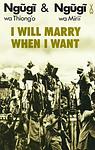
7. I Will Marry When I Want
Set in post-independence Kenya, this powerful play explores the socio-political landscape of a newly liberated nation grappling with the remnants of colonialism and the rise of neocolonial influences. The narrative centers around a peasant farmer and his family, who are caught in the crossfire of land disputes, cultural erosion, and the struggle for economic survival. Through a tapestry of personal and communal conflicts, the story delves into themes of betrayal, resistance, and the quest for justice, highlighting the enduring spirit of a people determined to reclaim their identity and autonomy.
The 17166th Greatest Book of All TimePurchase from Amazon -
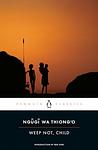
8. Weep Not, Child
Set against the backdrop of Kenya's struggle for independence from British colonial rule, the story follows a young boy named Njoroge who dreams of a better future through education. As political tensions rise and the Mau Mau rebellion intensifies, Njoroge's family faces profound challenges, including land dispossession and personal loss. The narrative explores themes of hope, identity, and the harsh realities of colonial oppression, capturing the emotional turmoil and resilience of individuals caught in the tide of historical change.
-
9. Dreams In A Time Of War
A Childhood Memoir

Set against the backdrop of colonial Kenya, this memoir captures the poignant journey of a young boy navigating the complexities of a society in transition. Through the lens of innocence and curiosity, the narrative unfolds the challenges of growing up amidst political unrest, cultural shifts, and the enduring spirit of a community striving for freedom. The story is a testament to resilience, highlighting the power of education and dreams as tools for overcoming adversity and forging a path towards a hopeful future.
Purchase from Bookshop.org -
10. Birth Of A Dream Weaver
A lyrical memoir tracing the author’s journey from a rural Gĩkũyũ childhood through missionary schooling and the stirrings of political consciousness under colonial rule, recounting family life, village stories and oral traditions, formative teachers and friendships, and the intellectual experiences that awakened a commitment to literature and cultural decolonization—shaping his decision to write and to reclaim African languages and narratives.
Purchase from Bookshop.org