Hervé Bazin
Jean-Pierre Hervé-Bazin, known as Hervé Bazin, was a French writer, best known for his novel 'Vipère au poing' (Viper in the Fist). His works often explored themes of family conflict and personal struggle.
Books
This list of books are ONLY the books that have been ranked on the lists that are aggregated on this site. This is not a comprehensive list of all books by this author.
-
1. Viper In The Fist
The novel is a semi-autobiographical account of a young boy's tumultuous upbringing in a strict and oppressive family environment in early 20th-century France. The story centers around the protagonist's struggle against his tyrannical mother, whose harsh and unloving nature creates a household filled with fear and resentment. Through a series of poignant and often darkly humorous episodes, the boy's resilience and rebellious spirit come to the fore as he navigates the complexities of familial relationships and personal identity. The narrative vividly captures the emotional and psychological impact of a toxic family dynamic, ultimately highlighting the protagonist's quest for freedom and self-assertion.
The 8794th Greatest Book of All TimePurchase from Bookshop.org -
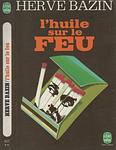
2. L'huile Sur Le Feu
"L'huile Sur Le Feu" is a French novel that delves into the complexities of family dynamics and generational conflict. The narrative centers around a bourgeois family whose members are embroiled in a series of misunderstandings and disputes. The protagonist, a young man, finds himself at odds with his conservative parents, whose values and expectations clash with his own desires and aspirations. As tensions rise, the family's interactions become increasingly volatile, resembling a pot of oil on fire, ready to ignite at the slightest provocation. The novel explores themes of rebellion, tradition, and the search for individual identity within the constraints of familial obligations.
The 11243rd Greatest Book of All TimePurchase from Bookshop.org or Amazon -
3. Baroque And Rococo
The book provides an in-depth exploration of the Baroque and Rococo art movements, examining their historical context, stylistic characteristics, and cultural significance. It delves into the opulent and dynamic nature of Baroque art, characterized by its dramatic use of light and shadow, grandeur, and emotional intensity. The Rococo style, emerging as a reaction to Baroque's seriousness, is highlighted for its playful elegance, intricate ornamentation, and lighthearted themes. Through detailed analysis and vivid illustrations, the book captures the essence of these influential periods, showcasing their impact on architecture, painting, sculpture, and decorative arts across Europe.