Michael J. Sandel
Michael J. Sandel is a renowned American political philosopher and professor at Harvard University, known for his work on justice, ethics, democracy, and markets. He is widely recognized for his course 'Justice' and his books, including 'Justice: What's the Right Thing to Do?' and 'The Tyranny of Merit.'
Books
This list of books are ONLY the books that have been ranked on the lists that are aggregated on this site. This is not a comprehensive list of all books by this author.
-
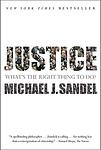
1. Justice
What's the Right Thing to Do?
This thought-provoking exploration delves into the complex world of moral and political philosophy, challenging readers to consider the ethical dimensions of contemporary issues. Through a series of engaging discussions, the book examines various philosophical perspectives, from utilitarianism to Kantian ethics, and applies them to real-world dilemmas such as affirmative action, same-sex marriage, and the role of markets in society. By encouraging readers to critically assess their own beliefs and the principles that underpin justice, it fosters a deeper understanding of the moral choices that shape our lives and communities.
The 6224th Greatest Book of All TimePurchase from Bookshop.org or Amazon -
2. Tyranny Of Merit
What's Become of the Common Good?
The book explores the concept of meritocracy and its impact on society, questioning the fairness and moral implications of a system that rewards individuals based on their perceived talents and efforts. It argues that this approach can lead to a sense of entitlement among the successful and foster resentment among those who are left behind, exacerbating social divisions. The author suggests that a more equitable society should recognize the role of luck and acknowledge the contributions of all individuals, regardless of their status, to create a more inclusive and compassionate community.
The 17173rd Greatest Book of All TimePurchase from Amazon -
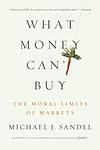
3. What Money Can't Buy
The Moral Limits of Markets
The book explores the moral and ethical implications of a market-driven society, questioning the extent to which market values should dominate various aspects of life. It delves into the consequences of commodifying things traditionally governed by non-market norms, such as education, health, and civic duties. Through a series of thought-provoking examples, the author challenges readers to consider whether there are certain moral and civic goods that money should not be able to buy, urging a reevaluation of the role markets play in shaping human relationships and societal values.
-
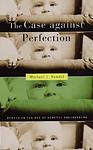
4. The Case Against Perfection
Ethics in the Age of Genetic Engineering
In this thought-provoking exploration of bioethics, the author delves into the moral implications of genetic engineering and biotechnology, questioning the pursuit of human enhancement and the quest for perfection. The narrative challenges the reader to consider the ethical boundaries of manipulating human nature, emphasizing the importance of accepting the natural limits of human life. Through a series of compelling arguments, the text invites a deeper reflection on the values of humility, responsibility, and the acceptance of the unbidden, urging society to weigh the costs of technological advancements against the essence of what it means to be human.