Peter Brown
Books
This list of books are ONLY the books that have been ranked on the lists that are aggregated on this site. This is not a comprehensive list of all books by this author.
-
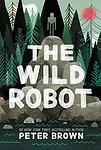
1. Wild Robot
In this imaginative tale, a robot named Roz finds herself stranded on a remote, wild island after a shipwreck. As she learns to adapt to her new environment, Roz discovers how to communicate with the island's animal inhabitants and gradually becomes an integral part of the ecosystem. Through her journey of survival and self-discovery, Roz explores themes of friendship, adaptation, and the intersection between technology and nature, ultimately redefining what it means to be alive and connected to the world around her.
The 17173rd Greatest Book of All TimePurchase from Amazon -
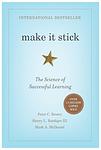
2. Make It Stick
The Science of Successful Learning
The book explores effective learning strategies based on cognitive psychology research, challenging common misconceptions about how we learn. It emphasizes techniques such as retrieval practice, spaced repetition, and interleaving, which enhance long-term retention and understanding. The authors argue against passive learning methods like rereading and highlight the importance of effortful learning, where making mistakes and overcoming challenges lead to deeper comprehension. Through real-life examples and scientific studies, the book provides practical advice for students, educators, and lifelong learners to improve their learning processes and outcomes.
The 17173rd Greatest Book of All TimePurchase from Amazon -
3. How Real Estate Developers Think

Through interviews and case studies, the book explores how developers make decisions at the intersection of finance, design, regulation and community interests, showing that their choices are shaped by risk management, timing, market signals and pragmatic trade-offs rather than purely aesthetic or idealistic aims; it reveals the routines, negotiations and incremental design tactics developers use to assemble deals, work with architects and municipalities, and balance profit with place-making, and argues that understanding their practical logic is essential for better urban planning and more effective collaboration between public and private actors.
Purchase from Bookshop.org -
Purchase from Bookshop.org