Leland Ryken
Leland Ryken is a well-known author and scholar, particularly recognized for his work in the field of literature and theology. He has written extensively on the intersection of literature and Christian faith, and has served as a professor of English at Wheaton College.
Books
This list of books are ONLY the books that have been ranked on the lists that are aggregated on this site. This is not a comprehensive list of all books by this author.
-
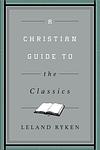
1. A Christian Guide To The Classics
Reading the Classics with a Christian Perspective
The book provides a thoughtful exploration of how Christians can engage with classic literature, offering insights into understanding and appreciating these works through a faith-based lens. It emphasizes the importance of reading classics not only for their artistic and cultural value but also for the moral and spiritual lessons they can impart. The author guides readers on how to discern and interpret themes, characters, and narratives in a way that aligns with Christian beliefs, encouraging a deeper, more meaningful interaction with timeless literary works.
-
2. The Messiah Comes To Middle Earth
How J.R.R. Tolkien Reimagines the Messiah

This insightful work delves into the rich tapestry of J.R.R. Tolkien's Middle-earth, exploring the profound Christian themes woven throughout the narrative. It examines the parallels between the journey of key characters and the life of Christ, highlighting the redemptive and sacrificial elements that echo biblical teachings. Through a detailed analysis of Tolkien's storytelling, the book reveals how the epic saga serves as a reflection of the Christian gospel, offering readers a deeper understanding of the spiritual dimensions embedded in the beloved fantasy world.
-
3. The Christian Imagination
The Practice of Faith in Literature and Writing
A curated collection of essays and excerpts that argues for the central place of imagination in the life of faith and the legitimacy of the arts within a biblical worldview. It explores how belief shapes reading, writing, and making, the relationship of beauty and truth, and a sacramental vision of reality. Addressing common suspicions about art, it commends aesthetic excellence and moral discernment while offering practical guidance for engaging literature and the arts to the glory of God.
Purchase from Bookshop.org -
4. Art For God's Sake
A Call to Recover the Arts
Argues that visual art is a legitimate and necessary expression of Christian faith, offering biblical, historical, and cultural reasons for why believers should value, create, and critically engage with beauty. It surveys art in Western history, defends the aesthetic imagination against modern skepticism, and gives practical guidance for cultivating faith-informed artistic judgment. The work seeks to recover a theological appreciation of art’s role in worship, moral formation, and cultural witness.
-
5. J. I. Packer
A concise portrait of a leading 20th‑century evangelical theologian that traces his upbringing, conversion, academic career, and pastoral gifts while distilling the convictions—especially the authority of Scripture and the centrality of knowing God—that shaped his influential writings. The author highlights how his clear, pastoral theology and institutional involvement helped define modern evangelical identity, notes the tensions he faced between doctrinal firmness and pastoral charity, and assesses the lasting impact of his life and work on subsequent generations of Christians.
Purchase from Bookshop.org -
6. Worldly Saints
The Puritans as They Really Were
A readable corrective to caricatures of 17th-century Puritans, portraying them as intellectually engaged, culturally literate, and deeply pastoral Christians whose serious moral convictions were coupled with a love of Scripture, books, and family life. Drawing on sermons, diaries, and historical records, the narrative highlights their practical efforts at moral reform, education, and civic responsibility while acknowledging their human weaknesses and everyday joys, presenting them neither as sanctified paragons nor joyless legalists but as complex, influential people whose faith shaped literature, learning, and community.
Purchase from Bookshop.org