W. G. Sebald
W.G. Sebald was a German writer and academic known for his innovative and melancholic works that blend fiction, memoir, and historical narrative. His notable books include 'The Rings of Saturn' and 'Austerlitz'. Sebald's writing often explores themes of memory, loss, and the trauma of history.
Books
This list of books are ONLY the books that have been ranked on the lists that are aggregated on this site. This is not a comprehensive list of all books by this author.
-
1. Austerlitz
The novel follows the story of Jacques Austerlitz, an architectural historian who was brought to England on a Kindertransport from Czechoslovakia during World War II. As an adult, Jacques embarks on a journey to uncover his past, including his original identity, his parent's fate, and his own lost history. The narrative is a haunting exploration of memory, identity, and the lasting impact of the Holocaust.
The 262nd Greatest Book of All TimePurchase from Bookshop.org or Amazon -
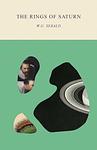
2. The Rings of Saturn
"The Rings of Saturn" is a richly detailed travelogue that follows the narrator's journey along the coast of Suffolk, England. The narrative weaves together history, literature, and personal anecdotes, exploring topics as diverse as the decline of the herring industry, the horrors of colonialism in the Congo, and the life of philosopher Sir Thomas Browne. The book is characterized by its melancholic tone, its digressive style, and its meditative reflections on memory, time, and decay.
The 697th Greatest Book of All TimePurchase from Bookshop.org or Amazon -
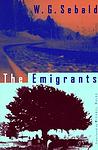
3. The Emigrants
"The Emigrants" is a novel that explores the experiences and memories of four different emigrants, each with a unique and complex history. The narrative primarily focuses on the psychological impact of displacement and the haunting nature of the past. The author delves deep into their lives, revealing their struggles with identity, loss, and the persistent influence of their roots. The narrative is interwoven with historical events, photographs, and other documents, creating a rich tapestry that blurs the line between fact and fiction.
The 1344th Greatest Book of All TimePurchase from Bookshop.org or Amazon -
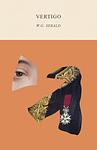
4. Vertigo
"Vertigo" is a complex narrative that combines elements of fiction, travelogue, biography, and autobiography. The novel is divided into four sections, each exploring the life and works of different historical figures such as Stendhal, Kafka, and Casanova, as well as the author's own experiences. The narrative is characterized by its exploration of themes such as memory, identity, and the past, often blurring the lines between fact and fiction. The book is also notable for its distinctive style, featuring long, meandering sentences and a lack of traditional plot structure.
The 4762nd Greatest Book of All TimePurchase from Bookshop.org or Amazon -
5. On The Natural History Of Destruction

This profound work delves into the aftermath of World War II, exploring the moral and ethical implications of the Allied bombing campaigns on German cities. Through a series of essays, it examines the silence surrounding the devastation and the collective amnesia that followed, questioning the role of memory and the responsibility of literature in confronting historical trauma. The narrative weaves together historical analysis, personal reflections, and literary critique, offering a poignant meditation on the human capacity for destruction and the enduring scars it leaves behind.
Purchase from Bookshop.org -
6. A Place In The Country
On the Art of Living
This collection of six essays delves into the lives and works of various writers and artists who have influenced the author's own literary journey. Through a blend of biography, literary criticism, and personal reflection, the narrative explores themes of memory, exile, and the passage of time, while also offering a meditation on the nature of creativity and the solace found in the natural world. Each essay serves as a tribute to the enduring impact of these figures, weaving together their stories with the author's own experiences and insights.
Purchase from Bookshop.org -
7. After Nature
This poetic and contemplative work weaves together three distinct narratives, exploring the intricate relationship between humanity and the natural world. Through the lens of historical figures, the text delves into themes of memory, loss, and the passage of time, reflecting on the impact of human actions on the environment. The evocative prose captures the beauty and fragility of nature, while also pondering the inevitable changes wrought by human intervention, creating a poignant meditation on the interconnectedness of life and the enduring legacy of the past.
Purchase from Bookshop.org -
8. Bokstavsspåret
In this evocative narrative, the protagonist embarks on a reflective journey through the landscapes of memory and history, intertwining personal recollections with broader historical events. The narrative unfolds through a series of interconnected stories, each exploring themes of loss, identity, and the passage of time. The prose is rich with vivid imagery and philosophical musings, inviting readers to ponder the intricate connections between past and present, and the ways in which history shapes individual lives. The book's contemplative tone and intricate structure create a tapestry of thought-provoking insights and emotional depth.
-
Purchase from Bookshop.org
-
10. Campo Santo
A quietly elegiac narrative follows a wandering, reflective narrator as he meditates on a provincial cemetery and the surrounding landscape, using small, often uncanny details and inserted images to trace how memory, loss and history accumulate in place; local anecdotes, ruined architecture and ephemeral recollections fold into one another, producing a melancholic collage that examines mortality, exile and the persistence of the past in ordinary scenes.
Purchase from Bookshop.org -
11. Utvandrade
An elegiac collection of interlinked narratives that follows several Central European emigrants and their descendants, tracing lives shaped by displacement, erased histories, and personal losses; through melancholic, digressive prose and the intermittent inclusion of photographs and documentary fragments, the book blends biography, historical reflection, and memory, showing how exile fractures identity, leaves ordinary objects and silences as haunting traces, and resists simple reconciliation between past and present.