E. H. Gombrich
E.H. Gombrich was an influential art historian and author, best known for his work 'The Story of Art', which is one of the most accessible introductions to art history. He made significant contributions to the understanding of art and its history through his scholarly work and writings.
Books
This list of books are ONLY the books that have been ranked on the lists that are aggregated on this site. This is not a comprehensive list of all books by this author.
-
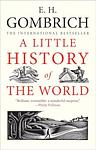
1. A Little History Of The World
The book provides a sweeping overview of world history, presenting complex events and developments in an accessible and engaging manner. It covers a broad range of historical periods, from ancient civilizations to the modern era, highlighting key figures, cultural milestones, and pivotal moments that have shaped human history. Written with a narrative style that appeals to both young readers and adults, it emphasizes the interconnectedness of global events and the shared human experience, encouraging a deeper understanding of the past and its influence on the present.
The 16875th Greatest Book of All Time -
2. Norm And Form
Studies in the Art of the Renaissance
The book explores the relationship between artistic norms and individual creativity throughout art history. It examines how artists have navigated established conventions and forms to express their unique visions, often challenging and redefining these norms in the process. Through a series of essays, the author delves into various art movements and periods, analyzing how cultural, social, and historical contexts influence artistic expression. The work highlights the dynamic interplay between tradition and innovation, illustrating how art evolves through the tension between adherence to and deviation from established standards.
-
3. Gombrich On The Renaissance, Volume Ii
Symbolic Images

This volume delves into the profound transformations and innovations that characterized the Renaissance period, focusing on the evolution of artistic techniques and the intellectual shifts that influenced art and culture. Through a series of essays, it explores the interplay between tradition and innovation, examining how artists of the time navigated the changing landscape of ideas and aesthetics. The book highlights the role of humanism, the revival of classical antiquity, and the development of perspective in shaping the visual arts, offering insights into the ways these elements contributed to the broader cultural rebirth of the era.
-
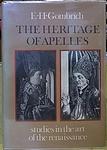
4. The Heritage Of Apelles
Studies in the Art of the Renaissance
The book explores the evolution and influence of classical art, examining how the legacy of ancient Greek and Roman aesthetics has shaped Western art throughout history. It delves into the techniques, themes, and philosophies that have persisted and transformed over time, highlighting the enduring impact of classical ideals on artistic expression. Through a series of essays, the author analyzes the continuity and change in artistic traditions, emphasizing the dialogue between past and present and the ways in which artists have drawn inspiration from their predecessors to create new and innovative works.