Roxanne Dunbar-Ortiz
Roxanne Dunbar-Ortiz is an American historian, writer, and activist known for her work on Indigenous peoples' history and social justice. She is the author of several books, including 'An Indigenous Peoples' History of the United States.'
Books
This list of books are ONLY the books that have been ranked on the lists that are aggregated on this site. This is not a comprehensive list of all books by this author.
-
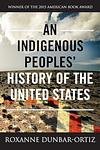
1. An Indigenous Peoples' History Of The United States
ReVisioning American History
The book provides a comprehensive reexamination of United States history from the perspective of Indigenous peoples, challenging the traditional narratives that have often marginalized or overlooked their experiences and contributions. It delves into the impact of colonialism and expansionism on Native American communities, highlighting the resilience and resistance of Indigenous peoples throughout history. By centering Indigenous voices and perspectives, the book seeks to offer a more nuanced understanding of the nation's past, emphasizing themes of survival, sovereignty, and the ongoing struggle for justice and recognition.
-
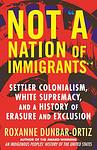
2. Not "A Nation Of Immigrants"
Settler Colonialism, White Supremacy, and a History of Erasure and Exclusion
This thought-provoking work challenges the traditional narrative of the United States as a welcoming haven for immigrants, urging readers to reconsider the historical context of colonization, displacement, and systemic racism that has shaped the nation. It delves into the often-overlooked experiences of Indigenous peoples and communities of color, highlighting the complex and sometimes violent history that contradicts the idealized image of a melting pot. By examining the roots of American identity, it encourages a critical reflection on the myths that have long been perpetuated in the national discourse.
-
3. “All The Real Indians Died Off”
And 20 Other Myths About Native Americans

This insightful book challenges the pervasive myths and misconceptions about Native Americans that have been perpetuated throughout history. It delves into the origins and impacts of these stereotypes, revealing how they have been used to justify the marginalization and oppression of Indigenous peoples in the United States. By dismantling these false narratives, the authors aim to provide a more accurate understanding of Native American history and culture, highlighting the resilience and ongoing contributions of Indigenous communities today.