Mikita Brottman
Mikita Brottman is an author and scholar known for her work in psychoanalysis, true crime, and cultural criticism. She has written several books exploring the darker aspects of human nature and society.
Books
This list of books are ONLY the books that have been ranked on the lists that are aggregated on this site. This is not a comprehensive list of all books by this author.
-
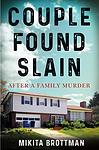
1. Couple Found Slain
After a Family Murder
In this gripping true crime narrative, the story unfolds around the tragic events surrounding the murder of a couple and the subsequent institutionalization of their son, Brian Bechtold. The book delves into the complexities of mental illness, the justice system, and the haunting realities of life in a psychiatric facility. Through meticulous research and compassionate storytelling, the narrative explores Brian's journey from the crime scene to his life within the confines of a mental institution, raising profound questions about culpability, sanity, and the human capacity for redemption.
The 14589th Greatest Book of All TimePurchase from Amazon -
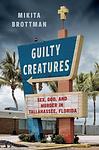
2. Guilty Creatures
A Menagerie of Mysteries
The book explores the enduring fascination with true crime stories, delving into the psychological and cultural reasons behind society's obsession with murder and criminality. It examines various infamous cases and the public's reaction to them, questioning the moral implications of consuming such narratives for entertainment. Through a blend of literary analysis, historical context, and personal reflection, the book offers a thought-provoking look at the complex relationship between crime, media, and the human psyche.
-
3. Contra La Lectura
Una defensa del placer de leer

In this thought-provoking exploration, the author challenges the conventional wisdom that reading is an inherently virtuous activity. By delving into the darker, less-discussed aspects of reading, the narrative questions the societal pressure to consume literature and the assumptions about its benefits. Through a blend of personal anecdotes, cultural critique, and psychological insights, the book invites readers to reconsider their relationship with reading, suggesting that it can sometimes be an escapist, isolating, or even detrimental pursuit, rather than the universally enriching experience it is often portrayed to be.