Byung-Chul Han
Byung-Chul Han is a South Korean-born German philosopher and cultural theorist. He is known for his critical essays on contemporary society, culture, and technology, often focusing on themes such as digital culture, transparency, and the effects of neoliberalism on human relationships.
Books
This list of books are ONLY the books that have been ranked on the lists that are aggregated on this site. This is not a comprehensive list of all books by this author.
-
1. The Burnout Society
In this thought-provoking analysis, the author delves into the pervasive issue of burnout in contemporary society, attributing it to the relentless pursuit of productivity and self-optimization. The book critiques the neoliberal emphasis on individual achievement and the constant pressure to perform, which leads to a culture of exhaustion and mental fatigue. By examining the psychological and societal impacts of this phenomenon, the author argues that the modern age is characterized by an epidemic of burnout, driven by an internalized demand for perpetual self-improvement and efficiency, ultimately eroding the quality of life and human connection.
The 14086th Greatest Book of All TimePurchase from Bookshop.org -
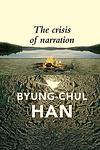
2. The Crisis Of Narration
"The Crisis of Narration" by Byung-Chul Han explores how traditional narratives, which once fostered community and shared experiences, are losing their power in today's digital age. In a world dominated by information and consumerism, storytelling has shifted from a communal activity to a commercial one, creating temporary connections rather than lasting bonds. Han examines how this transformation reflects broader societal changes and challenges the role of narratives in our lives.
The 14985th Greatest Book of All TimePurchase from Bookshop.org or Amazon -
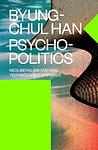
3. Psychopolitics
Neoliberalism and New Technologies of Power
In this thought-provoking exploration of contemporary society, the author delves into the pervasive influence of neoliberalism and digital technology on the human psyche. The book argues that modern power structures have shifted from external coercion to internalized control, where individuals willingly participate in their own subjugation through self-optimization and constant connectivity. By examining the psychological mechanisms at play, the author reveals how freedom is subtly transformed into a form of voluntary servitude, challenging readers to reconsider the nature of autonomy and resistance in the digital age.
The 17165th Greatest Book of All TimePurchase from Bookshop.org