Sudhir Venkatesh
Sudhir Venkatesh is a sociologist and author known for his work on urban sociology and the dynamics of gang life in Chicago. He gained prominence with his book 'Gang Leader for a Day', which provides an in-depth look at the lives of gang members and residents in a Chicago housing project.
Books
This list of books are ONLY the books that have been ranked on the lists that are aggregated on this site. This is not a comprehensive list of all books by this author.
-
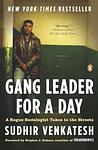
1. Gang Leader For A Day
A Rogue Sociologist Takes to the Streets
The book provides a firsthand account of the author's immersive research experience with a Chicago street gang. Through his unconventional ethnographic study, the author explores the complex social dynamics and economic structures within the gang and the surrounding community. By spending several years with the gang members, he gains insights into their lives, motivations, and the challenges they face, ultimately revealing the intricate relationship between poverty, crime, and survival in urban America. The narrative highlights the blurred lines between legality and illegality and offers a nuanced perspective on the individuals often marginalized by society.
-
2. American Project
The Rise and Fall of a Modern Ghetto

This insightful work delves into the complex social dynamics within a Chicago public housing project, offering a nuanced exploration of community life amidst systemic challenges. Through a blend of ethnographic research and personal narratives, it reveals the resilience and resourcefulness of residents as they navigate issues of poverty, crime, and institutional neglect. The narrative sheds light on the intricate relationships and informal economies that sustain the community, challenging stereotypes and highlighting the human capacity for adaptation and survival in the face of adversity.
Purchase from Bookshop.org -
3. Off The Books
The Underground Economy of the Urban Poor
Drawing on immersive ethnography in low-income Chicago neighborhoods, the book maps the informal and often illegal income-generating strategies residents use to survive and support their communities—from under-the-table work and street vending to hustles and drug-related enterprises—showing how social networks, reciprocity and local institutions sustain a parallel economy. It challenges conventional views of poverty and labor by revealing the creativity, risk, and moral logic behind everyday survival tactics and argues that policy and scholarship must engage with these practices rather than simply criminalize or ignore them.
Purchase from Bookshop.org