Ray Kurzweil
Ray Kurzweil is an American inventor and futurist known for his work in fields such as optical character recognition, text-to-speech synthesis, and speech recognition technology. He is also a prominent advocate of the technological singularity and has authored several books on the subject, including 'The Singularity Is Near'.
Books
This list of books are ONLY the books that have been ranked on the lists that are aggregated on this site. This is not a comprehensive list of all books by this author.
-
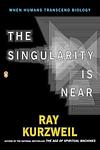
1. The Singularity Is Near
When Humans Transcend Biology
In this thought-provoking exploration of the future, the author delves into the concept of the "singularity," a point in time when technological growth becomes uncontrollable and irreversible, resulting in unforeseeable changes to human civilization. The narrative weaves through the rapid advancements in artificial intelligence, biotechnology, and nanotechnology, predicting a future where humans transcend their biological limitations. The book presents a compelling argument for the exponential pace of technological progress, suggesting that these innovations will lead to profound transformations in society, economy, and human identity, ultimately merging human and machine intelligence.
The 17152nd Greatest Book of All TimePurchase from Amazon -
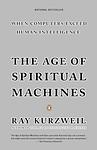
2. The Age Of Spiritual Machines
When Computers Exceed Human Intelligence
The book explores the future of technology and its impact on human society, predicting a world where machines surpass human intelligence. It delves into the rapid advancements in computing power, artificial intelligence, and biotechnology, suggesting that these developments will lead to profound changes in how we live, work, and interact. The author envisions a future where humans and machines merge, leading to enhanced cognitive abilities and the potential for immortality. The narrative combines scientific analysis with philosophical insights, examining the ethical and existential questions that arise from the integration of technology into every aspect of life.
-
3. Transcend
Nine Steps to Living Well Forever
This book offers a comprehensive guide to extending one's lifespan and enhancing overall health through a blend of cutting-edge science and practical advice. It delves into the potential of emerging technologies and personalized medicine to revolutionize healthcare, advocating for proactive measures to prevent diseases before they manifest. The narrative combines scientific insights with actionable steps, encouraging readers to adopt a holistic approach to well-being that encompasses diet, exercise, and mental health. By exploring the intersection of technology and biology, it presents a vision of a future where humans can transcend traditional limitations of aging and illness.
-
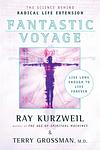
4. Fantastic Voyage
Live Long Enough to Live Forever
In this compelling exploration of the future of human health and longevity, the authors delve into the potential of emerging technologies to radically extend human life. They present a vision where advancements in biotechnology, nanotechnology, and artificial intelligence converge to enable humans to live longer, healthier lives. The narrative combines scientific insights with practical advice on how individuals can take proactive steps today to enhance their well-being and prepare for a future where aging and disease may become obsolete. Through a blend of optimism and scientific rigor, the book challenges readers to rethink their understanding of health and longevity.
-
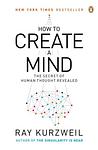
5. How To Create A Mind
The Secret of Human Thought Revealed
This book delves into the intricacies of the human brain, exploring how our minds work and how we can replicate these processes in artificial intelligence. It presents a compelling argument that understanding the brain's pattern recognition capabilities is key to creating machines that can think and learn like humans. The author draws on neuroscience, computer science, and his own experiences to propose a model of the brain's functioning, suggesting that by mimicking these neural processes, we can advance AI technology to unprecedented levels, ultimately enhancing human intelligence and creativity.
-
6. The Grand Complication

In this intriguing tale, a meticulous librarian named Alexander Short is drawn into a world of mystery and historical intrigue when he is tasked with finding a missing 18th-century timepiece. As he delves deeper into the secrets surrounding the enigmatic watch, Alexander becomes entangled in a web of deception and obsession, where the boundaries between past and present blur. The narrative weaves together elements of suspense, history, and the complexities of human relationships, ultimately exploring the lengths one might go to uncover the truth and the personal transformations that occur along the way.
-
7. The Singularity Is Nearer
In this thought-provoking exploration of the future, the author delves into the accelerating pace of technological advancements and their potential to transform human existence. The narrative builds on the idea that the convergence of artificial intelligence, biotechnology, and nanotechnology will soon lead to a pivotal moment in history where machines surpass human intelligence, known as the Singularity. This transformative era promises unprecedented changes in society, economy, and human capabilities, offering both exhilarating possibilities and profound ethical challenges. The book invites readers to contemplate the implications of a future where technology and humanity are inextricably intertwined.
Purchase from Bookshop.org -
9. Homo Sapiens. Leben Im 21. Jahrhundert. Was Bleibt Vom Menschen?
Leben Im 21. Jahrhundert. Was Bleibt Vom Menschen?
The book argues that accelerating technologies—artificial intelligence, biotechnology, nanotechnology and computing—will profoundly reshape life in the 21st century by blurring the boundary between human and machine; it surveys how advances in brain emulation, cognitive augmentation, genetic and cellular intervention, and radical life-extension could alter identity, consciousness and society, and it weighs ethical, social and existential implications while urging preparation for a future in which the definition of “human” is transformed.