Mats Alvesson
Mats Alvesson is a prominent organizational theorist known for his work on critical management studies and organizational culture. He has contributed significantly to the understanding of organizational identity, leadership, and qualitative research methods.
Books
This list of books are ONLY the books that have been ranked on the lists that are aggregated on this site. This is not a comprehensive list of all books by this author.
-
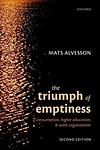
1. The Triumph Of Emptiness
Consumption, Higher Education, and Work Organization
The book explores the pervasive influence of superficiality and image-driven culture in contemporary society, particularly within organizations and institutions. It delves into how the emphasis on appearances, branding, and symbolic gestures often overshadows genuine substance and meaningful progress. Through a critical examination of various sectors, the author highlights the consequences of this trend, including inefficiency, disillusionment, and a lack of authentic engagement. The work calls for a reevaluation of values and priorities to foster environments that prioritize depth, authenticity, and true achievement over mere facade.
-
2. The Stupidity Paradox
The Power and Pitfalls of Functional Stupidity at Work
The book explores the perplexing phenomenon of how intelligent and capable individuals often engage in seemingly irrational or counterproductive behaviors within organizational settings. It delves into the concept of "functional stupidity," where employees and leaders avoid critical thinking and questioning to maintain harmony and efficiency, ultimately leading to a lack of innovation and poor decision-making. Through a series of examples and analyses, the authors illustrate how this paradox manifests in various industries and suggest ways to foster a more thoughtful and questioning work environment to enhance organizational effectiveness.
-
3. Organisationer, Ledning Och Processer
Att skapa och leda effektiva organisationer

The book explores the complexities of organizational structures, leadership, and processes, emphasizing the interplay between theory and practice in understanding organizational dynamics. It delves into various management theories and models, critically examining their applicability and effectiveness in real-world scenarios. The author highlights the importance of context, culture, and communication in shaping organizational behavior and decision-making. Through a blend of theoretical insights and practical examples, the book provides a comprehensive overview of how organizations function and the challenges leaders face in navigating and influencing these processes.