Jeffrey J. Kripal
Jeffrey J. Kripal is an American author and scholar known for his work in the fields of religious studies and the study of mysticism, consciousness, and the paranormal. He is a professor at Rice University and has written extensively on the intersection of religion and the supernatural.
Books
This list of books are ONLY the books that have been ranked on the lists that are aggregated on this site. This is not a comprehensive list of all books by this author.
-
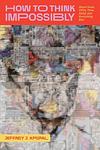
1. How To Think Impossibly
The book explores the concept of thinking beyond conventional boundaries, encouraging readers to embrace the seemingly impossible as a means to expand their understanding of reality. It delves into the intersection of science, spirituality, and the paranormal, suggesting that by challenging traditional thought patterns, individuals can unlock new perspectives and insights. Through a series of thought-provoking examples and narratives, the book invites readers to reconsider the limits of human potential and the nature of consciousness, ultimately advocating for a more open-minded approach to the mysteries of existence.
-
2. Authors Of The Impossible
The Paranormal and the Sacred

This thought-provoking work delves into the realm of the paranormal, exploring the lives and contributions of four influential figures who dared to challenge conventional scientific paradigms. Through a blend of biography, cultural analysis, and philosophical inquiry, the narrative examines how these individuals navigated the boundaries between the known and the unknown, ultimately questioning the very nature of reality itself. By weaving together their stories, the book invites readers to reconsider the limits of human understanding and the potential for extraordinary experiences beyond the grasp of traditional science.
Purchase from Bookshop.org -
3. Roads Of Excess, Palaces Of Wisdom
Eroticism and Reflexivity in the Study of Mysticism
This book delves into the intricate relationship between mysticism, sexuality, and the sacred, exploring how these elements intertwine within various religious traditions and cultural narratives. Through a series of thought-provoking essays, the author examines the transformative power of ecstatic experiences, the symbolic significance of eroticism in spiritual contexts, and the ways in which these themes have been interpreted and reimagined across different historical periods. By weaving together insights from religious studies, psychology, and cultural analysis, the work offers a compelling exploration of the boundaries between the sacred and the profane, challenging readers to reconsider conventional understandings of spirituality and desire.
Purchase from Bookshop.org -
4. The Superhumanities
This book argues that rather than retreating into defensiveness against technological change, the humanities must be reimagined as a more expansive, experimental, and speculative practice that works with science, technology, and spiritual traditions to address the ethical, imaginative, and existential challenges of the AI and posthuman age. It reframes humanistic disciplines as engines of critical creativity and moral imagination, claiming they can help redefine human flourishing when capacities and forms of agency exceed traditional limits. Weaving close readings, cultural history, and philosophical reflection, the work calls for pedagogy and scholarship that cultivate interpretive depth, empathy, and imaginative capacities needed to steward technological power and to help chart livable, ethical futures.
Purchase from Bookshop.org -
5. Vishnu On Freud's Desk
A provocative, interdisciplinary examination of how psychoanalytic theory and Western intellectual frameworks interact—and often clash—with South Asian religious practices and mystical experiences; using case studies of Tantra, erotic and transgressive ritual, and accounts of psychic phenomena, it challenges secular and reductionist readings, argues for the legitimacy and complexity of embodied, ecstatic forms of the sacred, and proposes new ways to read religious experience that honor its erotic, imaginative, and cross-cultural dimensions.
-
6. Secret Body
Purchase from Bookshop.org -
7. Mutants And Mystics
A wide-ranging study that reads modern pop culture, science fiction, rock music, sexual deviance and occult practices as legitimate sites of mystical and paranormal experience, arguing that twentieth-century “mutant” phenomena disclose alternative forms of the sacred and challenge orthodox histories of religion; it reinterprets extraordinary encounters—visions, psychic events, and ecstatic practices—as culturally mediated expressions of a deeper human capacity, urging scholars to take these anomalous experiences seriously rather than dismissing them as mere pathology or folklore.
Purchase from Bookshop.org -
8. Esalen
A concise cultural and intellectual history of a pioneering California retreat that became the crucible of the human-potential movement, blending psychotherapy, Eastern practices, psychedelic exploration, and avant-garde ideas; the book traces the institute’s founders and key figures, its experiments in group work and spirituality, and how it reshaped American approaches to experience, healing, and religion. It also examines the tensions and controversies—between mysticism and therapy, idealism and commerce, liberation and exploitation—that complicated its influence and left a contested but enduring legacy in modern spirituality.
Purchase from Bookshop.org