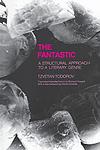
Tzvetan Todorov
Tzvetan Todorov was a Bulgarian-French historian, philosopher, and literary critic known for his work on literary theory, culture, and the analysis of totalitarianism. He was a prominent intellectual figure who contributed significantly to the understanding of the relationship between literature and society.
Books
This list of books are ONLY the books that have been ranked on the lists that are aggregated on this site. This is not a comprehensive list of all books by this author.
-
1. The Fantastic
A Structural Approach to a Literary Genre
The book explores the concept of the fantastic in literature, examining how it blurs the boundaries between the real and the supernatural. It delves into the psychological and structural elements that create a sense of hesitation in readers, making them question the nature of reality within a narrative. The work categorizes different literary genres, such as the uncanny and the marvelous, and analyzes how they contribute to the fantastic. Through a detailed theoretical framework, it provides insights into how stories evoke wonder and uncertainty, challenging readers' perceptions and inviting them to explore the limits of imagination.
The 6172nd Greatest Book of All TimePurchase from Bookshop.org or Amazon -
2. Imperfect Garden
The Legacy of Humanism
The book explores the concept of humanism and its evolution throughout history, emphasizing the importance of embracing imperfection and diversity in the pursuit of a more just and humane society. It critiques the Enlightenment's ideals of reason and progress, arguing that they often overlook the complexities and contradictions inherent in human nature. By examining various philosophical and cultural perspectives, the author advocates for a balanced approach that acknowledges both the potential and limitations of human endeavors, ultimately promoting a vision of coexistence and mutual understanding.
-
3. As Estruturas Narrativas

This insightful work delves into the intricate architecture of storytelling, exploring the fundamental components that shape narratives across various genres and cultures. It examines how stories are constructed, focusing on the roles of plot, character, and setting, and how these elements interact to create meaning and evoke emotion. The book also discusses the universal patterns and structures that underpin narratives, offering a comprehensive framework for understanding the mechanics of storytelling. Through a blend of theoretical analysis and practical examples, it provides readers with a deeper appreciation of the art and science of narrative construction.
-
4. Poétique De La Prose
Essais sur la littérature
This seminal work delves into the intricate structures and functions of prose, exploring the ways in which narrative forms shape and influence human understanding and experience. Through a meticulous examination of literary texts, it reveals the underlying principles that govern storytelling, emphasizing the dynamic interplay between the reader and the text. The book offers a comprehensive analysis of narrative techniques, dissecting the elements of plot, character, and perspective to uncover the universal patterns that define prose as a unique and powerful mode of communication.
-
5. Memória Do Mal, Tentação Do Bem
Ensaio sobre a Memória e a História
This thought-provoking exploration delves into the complex interplay between good and evil, examining how societies remember and interpret past atrocities. Through a series of philosophical reflections and historical case studies, the narrative challenges readers to reconsider the moral frameworks that shape collective memory and influence ethical decision-making. It underscores the importance of understanding the past not just as a record of events, but as a dynamic force that can either perpetuate cycles of violence or inspire paths toward reconciliation and moral growth.
-
6. The Conquest Of America
The Question of the Other
This insightful work delves into the complex dynamics of the European conquest of the Americas, exploring the cultural, psychological, and ethical dimensions of the encounter between the Spanish conquistadors and the indigenous peoples. It examines the profound impact of this collision on both civilizations, highlighting themes of power, communication, and misunderstanding. Through a detailed analysis of historical events and figures, the narrative reveals the mechanisms of domination and the tragic consequences of cultural imposition, offering a critical reflection on the nature of conquest and the enduring legacy of colonialism.
Purchase from Bookshop.org