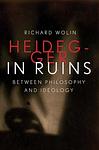
Richard Wolin
Richard Wolin is an American intellectual historian known for his work on European philosophy and political thought. He has written extensively on topics such as the Frankfurt School, Heidegger, and postmodernism.
Books
This list of books are ONLY the books that have been ranked on the lists that are aggregated on this site. This is not a comprehensive list of all books by this author.
-
1. Heidegger In Ruins
Between Philosophy and Ideology
The book critically examines the philosophical legacy of Martin Heidegger, focusing on the controversial aspects of his work and its entanglement with Nazi ideology. It explores how Heidegger's ideas have been interpreted and misinterpreted over time, scrutinizing the ethical and political implications of his philosophy. The author delves into the debates surrounding Heidegger's influence on contemporary thought, questioning the validity and impact of his contributions in light of his political affiliations. Through a thorough analysis, the book aims to provide a nuanced understanding of Heidegger's place in the history of philosophy and the ongoing discussions about his work.
-
2. Walter Benjamin
A Critical Life

This insightful biography delves into the life and intellectual journey of a prominent 20th-century philosopher and cultural critic, exploring his profound influence on modern thought. The narrative weaves through his early years, academic pursuits, and the tumultuous historical backdrop that shaped his ideas. It examines his complex relationships with contemporaries, his groundbreaking works on aesthetics, and his enduring legacy in critical theory. Through a meticulous analysis of his writings and personal correspondences, the book offers a comprehensive understanding of his contributions to philosophy, literature, and the arts.
Purchase from Bookshop.org -
3. The Seduction Of Unreason
The Intellectual Romance with Fascism from Nietzsche to Postmodernism
This insightful work delves into the complex relationship between postmodern thought and political ideology, exploring how certain strands of postmodernism have inadvertently aligned with reactionary and anti-democratic movements. By tracing the intellectual lineage from the Enlightenment to contemporary times, the book examines how skepticism towards reason and objective truth has been manipulated to support authoritarian agendas. It critically assesses the philosophical underpinnings that have allowed irrationalism to gain traction in modern political discourse, offering a compelling analysis of the dangers posed by the seduction of unreason in shaping societal values and governance.
Purchase from Bookshop.org