Bart J. Wilson
Books
This list of books are ONLY the books that have been ranked on the lists that are aggregated on this site. This is not a comprehensive list of all books by this author.
-
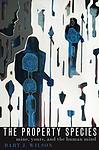
1. The Property Species
Mine, Yours, and the Human Mind
The book explores the concept of property from an interdisciplinary perspective, examining how humans have developed systems of ownership and property rights throughout history. It delves into the cognitive and social processes that underpin our understanding of property, arguing that these systems are not just legal constructs but are deeply rooted in human nature and social interactions. By drawing on insights from economics, anthropology, and psychology, the book provides a comprehensive analysis of how property shapes human behavior and societal organization, highlighting its fundamental role in fostering cooperation and conflict resolution.
-
2. Damnificados

"Damnificados" is a novel that tells the story of a group of misfits and outcasts who occupy an abandoned skyscraper in a fictional city. The narrative follows their efforts to build a community and defend their home against external threats, including corrupt officials, natural disasters, and violent gangs. Through a blend of magical realism and social commentary, the book explores themes of resilience, solidarity, and the struggle for justice in the face of adversity. The diverse cast of characters, each with their own unique backgrounds and stories, highlights the power of collective action and the human spirit's capacity to endure and thrive against all odds.
-
3. How To Teach Listening
This insightful guide offers educators practical strategies and techniques to enhance students' listening skills in the classroom. It emphasizes the importance of active listening as a foundational skill for effective communication and learning. The book provides a comprehensive framework for teaching listening, including understanding the different types of listening, recognizing barriers, and implementing activities that promote engagement and comprehension. Through a blend of theory and practical exercises, it equips teachers with the tools to foster a more interactive and attentive learning environment.
-
4. The Domestication Of The Human Species
This work argues that humans have effectively domesticated themselves through culture, as households, property, ritual, and formal institutions channel our instincts into predictable, cooperative behavior. Drawing on cross-cultural examples, it traces how settlements and the built environment discipline aggression, reshape privacy and gender roles, and replace kin-based ties with impersonal rules and symbols. The result is a tamer, more interdependent species whose gains in social complexity and order come with constraints on spontaneity and freedom.